Blended Families: When Bonds Grow Stronger Over Time

Blended Families: When Bonds Grow Stronger Over Time
Creating a blended family is one of life’s most complex yet rewarding journeys. When two families come together, different routines, values, and expectations meet—and it takes time, patience, and openness to find a shared rhythm. But as the years go by, new relationships can grow stronger, and what once felt like a challenge can become one of life’s greatest sources of connection.
A New Beginning—With Many Emotions Involved
When two adults fall in love and already have children from previous relationships, joy often mixes with uncertainty. For children, it can be difficult to accept a new adult in the home, and parents may feel torn between caring for their own children and building a new family unit.
It’s important to recognize that trust and comfort take time to develop. No one can be expected to feel like family from day one. Instead, focus on creating small, positive experiences together—shared meals, weekend outings, or simple moments of laughter at home—where relationships can grow naturally.
Patience and Clarity Are Key
A blended family works best when there are clear expectations and boundaries. Children need to understand who makes which decisions and what the household rules are. In the early stages, it can help if the biological parent takes the lead in discipline, while the new partner gradually builds a role as a supportive and caring figure.
Patience is essential. Relationships take time, and conflicts are a normal part of the process. What matters most is approaching each other with respect and curiosity—and remembering that everyone in the family needs to feel seen and heard.
Building Shared Traditions
One of the most powerful ways to strengthen family bonds is by creating new traditions that everyone can take part in. It might be a weekly movie night, a summer road trip, or a special way of celebrating birthdays. When the family develops its own rituals, a sense of belonging grows—one that’s not about “yours” and “mine,” but about “ours.”
That doesn’t mean old traditions should disappear. Keeping some familiar routines can help children feel secure and connected to their past. But over time, the new shared experiences become the glue that holds the family together.
The Couple as the Foundation
Amid all the practical and emotional adjustments, the couple’s relationship must not be forgotten. A strong partnership between the adults is the foundation of a healthy blended family. It requires open communication, mutual support, and the ability to disagree without letting tension spill over to the children.
Setting aside time for each other—without the kids—can make a big difference. Whether it’s a dinner out, a walk around the neighborhood, or a quiet cup of coffee together, nurturing the relationship helps keep the family grounded.
Læs også:
When Bonds Deepen Over Time
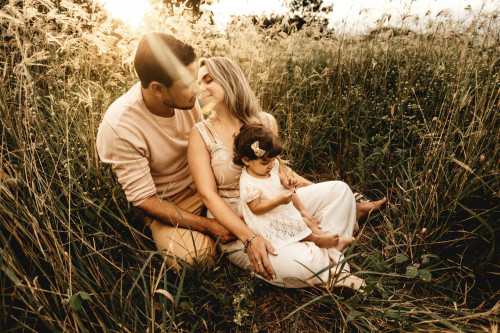
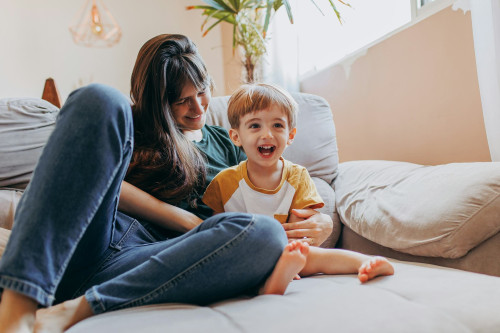
As the years pass, something beautiful often happens in blended families. The early uncertainty and adjustment give way to mutual respect, humor, and genuine affection. Children begin to see one another as siblings, and the adults find a natural balance in their roles.
The path isn’t always smooth, but families who stay committed often discover that their bonds become stronger than they ever imagined. After all, when you’ve faced challenges together, you emerge with a deep sense of unity and love built not just on biology, but on choice.
A Family Built by Choice
In the end, being part of a blended family is about willingness—the willingness to understand, forgive, cooperate, and create something new together. It takes courage to open your home and heart to people you haven’t shared your whole life with. But when it works, the result is a family where differences don’t divide—they enrich.
For many, a blended family becomes proof that love isn’t only about where you come from, but about what you choose to build together—step by step, year by year.
Læs også: