Repetition and Rituals – The Path to a Child’s Development and Independence


How daily routines and familiar patterns nurture confidence and growth in children
Family life
Family life
7 min
Discover how repetition and small everyday rituals help children feel secure, learn new skills, and gradually become more independent. This article explores the power of predictability and structure in supporting emotional and cognitive development.
Ivy Davis
Ivy
Davis

Repetition and Rituals – The Path to a Child’s Development and Independence

How daily routines and familiar patterns nurture confidence and growth in children
Family life
Family life
7 min
Discover how repetition and small everyday rituals help children feel secure, learn new skills, and gradually become more independent. This article explores the power of predictability and structure in supporting emotional and cognitive development.
Ivy Davis
Ivy
Davis

Life with children is full of repetition — the same routines, the same questions, the same small rituals. For adults, it can sometimes feel monotonous, but for a child, repetition is where comfort and learning take root. Repetition and rituals are not just practical tools to keep the day running smoothly — they are the foundation of a child’s development, independence, and understanding of the world.

Security Through Predictability

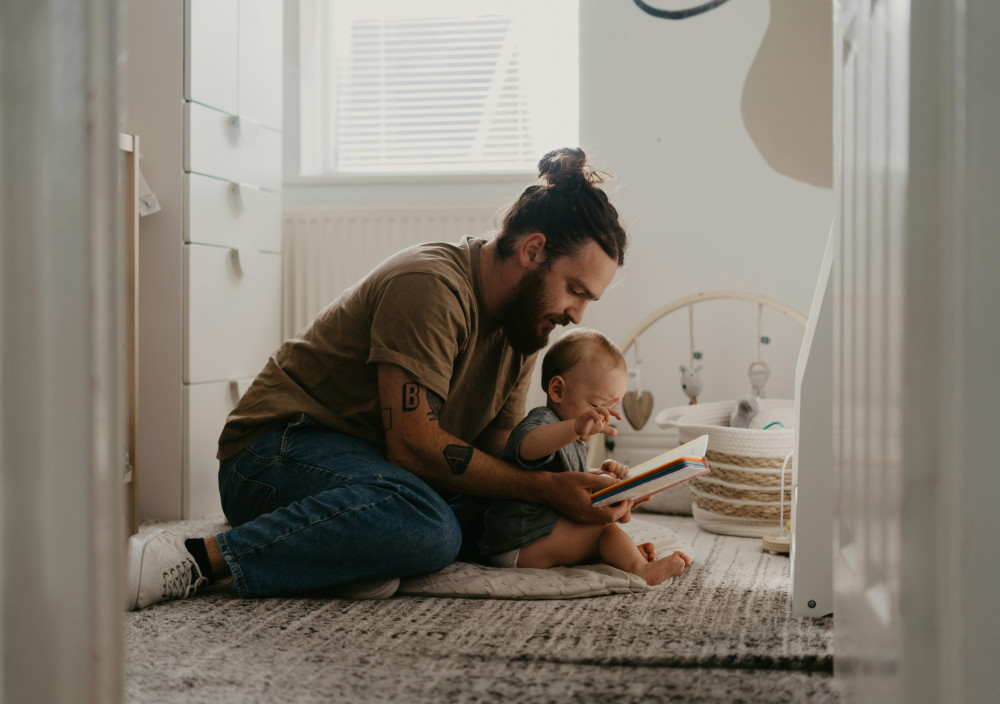
Young children thrive when they know what to expect. When breakfast always follows brushing teeth, and when the bedtime story comes right before the lights go out, a rhythm is created that helps the child navigate their day. This predictability provides a sense of safety and frees up mental space to explore new experiences.

Repetition helps children make sense of their surroundings. When the same song is sung every night or when a teacher always says “see you tomorrow” at preschool, these moments become part of the child’s inner structure. Through such small, repeated experiences, children learn how daily life works — and how they can take part in it.

Rituals as Emotional Anchors

Rituals differ from routines because they carry emotional meaning. It might be the special way you say goodbye in the morning or the family’s Friday night pizza and movie tradition. Rituals create connection and strengthen the bond between parent and child.

When children experience consistent, recognizable moments of closeness and attention, they develop a deeper sense of belonging. It’s not the form of the ritual that matters most, but the feeling it evokes. A simple “good morning hug” can be just as powerful as a big family celebration.

Repetition as the Engine of Learning

Children learn through repetition. When they try again and again to tie their shoes, pour milk, or build a tower, they are practicing motor skills, focus, and patience. Repetition gives them the chance to practice — and to feel the joy of mastering something new.

For parents, it can be tempting to step in and help, but it’s in those repeated attempts that real learning happens. By giving children time and space to repeat tasks, we support their growth toward independence. It’s not about doing it perfectly — it’s about having the courage to try again.

When Rituals Lead to Independence

As children grow older, they begin to take ownership of their own routines and rituals. They might want to choose which book to read at bedtime or insist on packing their own lunch. These are signs that repetition has given them an inner structure they can now use actively.

By involving children in everyday repetitions — setting the table, cleaning up, getting dressed — we teach responsibility and nurture a sense of competence. It’s in these small, daily actions that independence begins to flourish.

Balancing Structure and Flexibility

While repetition and rituals are important, they shouldn’t become rigid rules. Life changes, and children grow. It’s essential to adjust routines to fit a child’s age and needs. A ritual that made sense for a three-year-old may need a new form when that child starts school.

Flexibility shows children that predictability and change can coexist. This balance builds resilience and helps them handle new situations — an essential part of becoming independent.

A Daily Life with Meaning

Repetition and rituals don’t just benefit children — they can also bring parents a sense of calm and connection. When families have their own small, steady rhythms, daily life becomes easier to manage, and there’s more room for presence and togetherness amid the busyness.

Repetition is not about standing still. On the contrary, it’s through repetition that children move forward — step by step toward greater understanding, confidence, and independence.

Creativity and play at home
Inspire your family to be creative together! This e-book offers a range of fun and creative activities to explore at home, strengthening family bonds and stimulating childrens imaginations.
Grab the e-book now
Repetition and Rituals – The Path to a Child’s Development and Independence
How daily routines and familiar patterns nurture confidence and growth in children
Family life
Family life
Child Development
Parenting
Early Learning
Family Life
Emotional Growth
7 min
Discover how repetition and small everyday rituals help children feel secure, learn new skills, and gradually become more independent. This article explores the power of predictability and structure in supporting emotional and cognitive development.
Ivy Davis
Ivy
Davis
Family Therapy as a Tool: Learn to Handle Disagreements Without Creating Distance
Strengthen family bonds by turning conflict into connection
Family life
Family life
Family Therapy
Communication
Relationships
Conflict Resolution
Mental Health
4 min
Discover how family therapy can help you navigate disagreements with understanding and empathy. Learn practical ways to communicate, resolve tension, and build a stronger sense of togetherness without creating emotional distance.
Ellie Edwards
Ellie
Edwards
Blended Families: When Bonds Grow Stronger Over Time
Discover how time, patience, and shared experiences can turn blended families into lasting sources of love and connection
Family life
Family life
Blended Families
Parenting
Family Relationships
Step-Parenting
Family Life
2 min
When two families unite, it can take effort to find balance and belonging. This article explores how blended families grow stronger over time—through understanding, communication, and the creation of new traditions that bring everyone closer together.
Adrian Robinson
Adrian
Robinson
The Little Conversations That Strengthen Family Life Every Day
How small, everyday conversations can bring families closer together
Family life
Family life
Family Life
Communication
Relationships
Parenting
Everyday Moments
7 min
In the middle of busy routines, it’s often the brief, genuine exchanges that keep families connected. Discover how small daily conversations can build trust, strengthen relationships, and create a sense of togetherness that lasts.
Leah Green
Leah
Green
Shared Memories and Values – How to Strengthen Your Family’s Identity
Strengthen your family bond through shared stories, traditions, and values
Family life
Family life
Family
Parenting
Relationships
Traditions
Wellbeing
6 min
Discover how to build a stronger family identity by cherishing shared memories, creating meaningful traditions, and talking openly about what matters most. Learn simple ways to nurture connection and a lasting sense of belonging in your everyday life.
Gabriel Cook
Gabriel
Cook
New Stages in Children’s Lives: How to Prepare Them for Change with Confidence and Motivation
Help your child embrace life’s transitions with positivity and self-assurance
Children
Children
Parenting
Child Development
Family Life
Education
Emotional Support
4 min
From starting school to moving up a grade or entering a new environment, every stage in a child’s life brings change. Learn how to guide your child through these transitions with confidence, motivation, and emotional support so they can thrive in every new chapter.
Ivy Davis
Ivy
Davis
When Patience Runs Out: How to Talk Calmly and Respectfully with Your Child
Learn how to keep your cool and strengthen your connection with your child, even in the most challenging moments.
Children
Children
Parenting
Communication
Emotional Intelligence
Family
Child Development
7 min
Every parent loses patience sometimes—but how you respond can make all the difference. This article offers practical strategies for staying calm, communicating respectfully, and turning tense moments into opportunities for understanding and growth.
Ellie Edwards
Ellie
Edwards
More Responsibility, More Independence – Give Your Child Freedom in the Right Amounts
Help your child grow with the right balance of freedom and guidance
Children
Children
Parenting
Child Development
Independence
Family
Guidance
7 min
Learn how to support your child’s development by giving them responsibility and independence in ways that match their age and maturity. Discover practical advice on building trust, setting boundaries, and letting go at the right pace.
Adrian Robinson
Adrian
Robinson
Healthy Eating Habits Start at Home: Good Routines That Last a Lifetime
Build lifelong healthy habits by making mealtimes meaningful and balanced at home
Children
Children
Healthy Eating
Family Life
Nutrition
Wellness
Parenting
6 min
Discover how small, consistent routines can help your family enjoy nutritious meals, positive food experiences, and stronger connections around the table. Learn practical ways to involve children, encourage balance, and set an example that supports lifelong well-being.
Leah Green
Leah
Green