Healthy Eating Habits Start at Home: Good Routines That Last a Lifetime

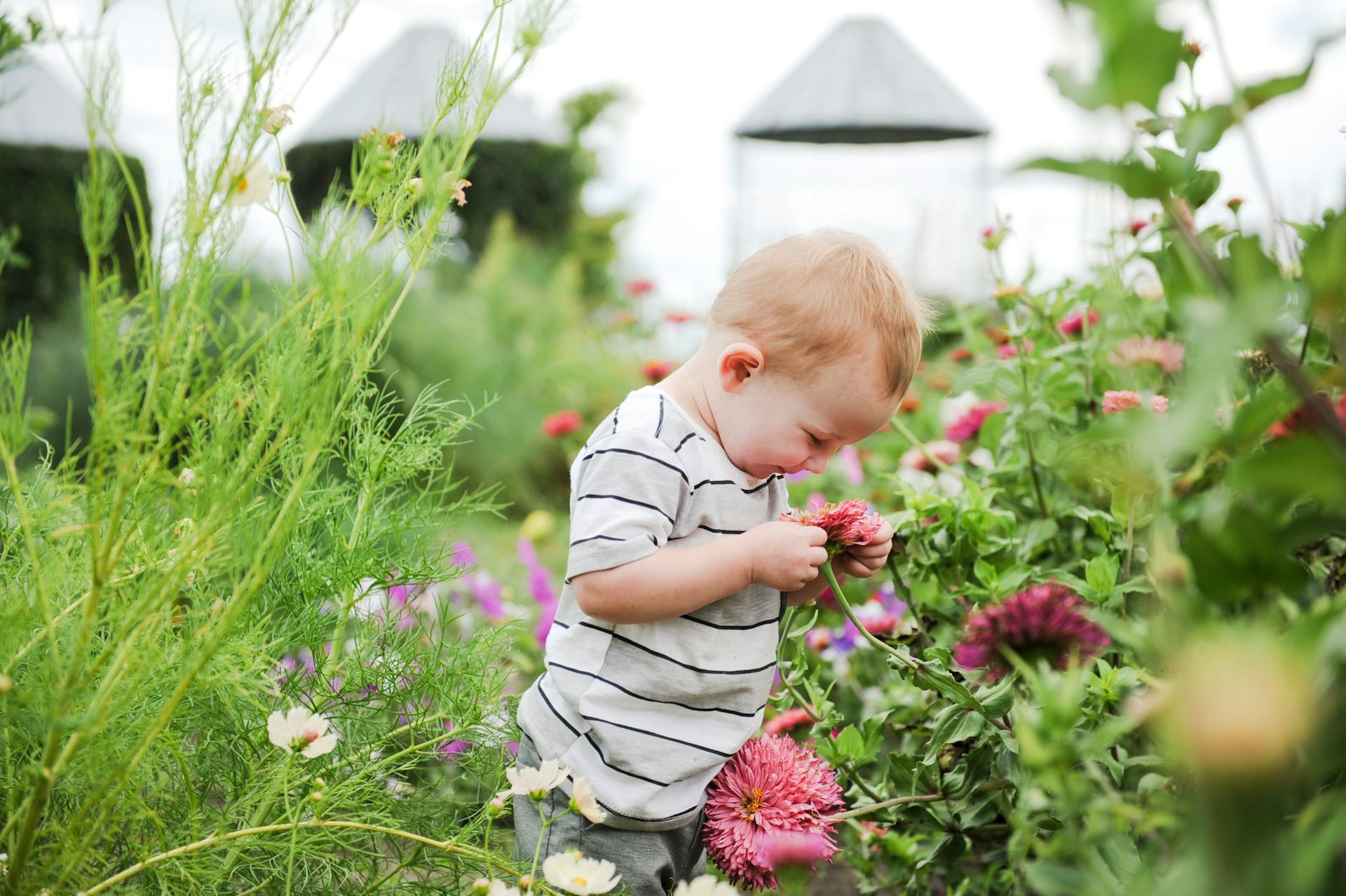
Healthy Eating Habits Start at Home: Good Routines That Last a Lifetime
Healthy eating isn’t just about what’s on the plate – it’s about the habits, attitudes, and routines that shape our relationship with food. And those habits start early. Families play a key role in helping children develop a balanced approach to eating, where enjoyment, nourishment, and togetherness go hand in hand. Here’s how you can build healthy routines at home that last a lifetime.
Mealtime as Family Time
In a busy American household, it’s easy for meals to become something that just needs to get done. But shared meals are a powerful opportunity to strengthen both family bonds and healthy habits. When families eat together, children learn more than table manners – they learn about connection, conversation, and consistency.
Try to set aside regular times to eat together, even if it’s just a few nights a week. Turn off the TV, put away phones, and make the table a screen-free zone. These moments of togetherness help children feel secure and more open to trying new foods.
Læs også:


Involve Kids in the Kitchen
Children who help prepare meals are often more curious about food and more willing to taste new things. Let them take part in age-appropriate tasks – washing vegetables, stirring a pot, or setting the table. When kids feel involved, food becomes something they help create, not just something that appears in front of them.
Take them grocery shopping and talk about where food comes from. Discuss fruits and vegetables in season, or how to read nutrition labels. These small conversations build awareness and make healthy eating a natural part of everyday life.
Focus on Balance, Not Perfection
It’s tempting to label foods as “good” or “bad,” but strict rules can backfire, especially with kids. Instead, aim for balance. There’s room for both broccoli and birthday cake – one doesn’t cancel out the other.
A helpful mindset is to focus on what you can add rather than what you should avoid. More colors on the plate, more water instead of soda, more whole grains and fresh produce. When the focus shifts from restriction to variety, healthy choices feel easier and more enjoyable.
Everyday Routines That Make a Difference
Simple routines can make healthy eating feel effortless and reduce stress around meals. Here are a few ideas that work well for busy families:
- Plan weekly meals – it saves time, money, and reduces food waste.
- Pack lunches together – kids are more likely to eat what they helped choose.
- Keep healthy snacks handy – fruit, veggie sticks, or nuts make good grab-and-go options.
- Listen to hunger cues – teach children to eat when they’re hungry and stop when they’re full.
When these habits become part of daily life, they require less effort and are easier to maintain over time.
Be the Role Model
Children learn most from what they see. If parents enjoy a variety of foods, speak positively about meals, and show appreciation for food, kids will follow suit. You don’t have to be perfect – just consistent and open-minded.
Avoid using food as a reward or punishment. Instead, talk about how food gives us energy, helps us grow, and keeps us strong. This helps children build a healthy emotional connection to eating.
Food, Family, and Lifelong Well-Being
In the end, healthy eating is about much more than nutrition. It’s about creating a family culture where food is connected to joy, curiosity, and togetherness. When children grow up in a home that values these things, they carry those habits into adulthood – and that may be one of the greatest gifts a family can give.
Læs også: