Curious Kids: Nurture the Joy of Discovery Together Through Play and Experiments


Curious Kids: Nurture the Joy of Discovery Together Through Play and Experiments
Children’s curiosity is one of their greatest strengths. It drives them to ask questions, explore their surroundings, and make sense of the world in ways adults often overlook. When we, as parents and caregivers, nurture that natural sense of wonder, we give children a foundation for lifelong learning. And it doesn’t require fancy equipment or elaborate projects—often, it starts with a simple game, a question, or a kitchen-table experiment.
Curiosity as the Engine of Learning
Young children learn through their senses. They touch, taste, listen, and look—and they constantly ask “why?” and “how?” That’s how they make sense of the world. When we take their questions seriously and help them search for answers, we show them that curiosity is something to be valued.
Research shows that children who are encouraged to explore and experiment develop stronger problem-solving skills and greater confidence. They learn that mistakes aren’t failures but part of the process of figuring things out.
Learning Through Play—Every Day
Play is how children naturally learn. When they build towers, mix colors, or splash in water, they’re developing creativity, logic, and cooperation. Adults can support this process by asking open-ended questions and giving space for experimentation.
- Build and create: Offer materials like cardboard, tape, straws, and rubber bands. Ask, “How can we make it stand up?” or “What happens if we change the shape?”
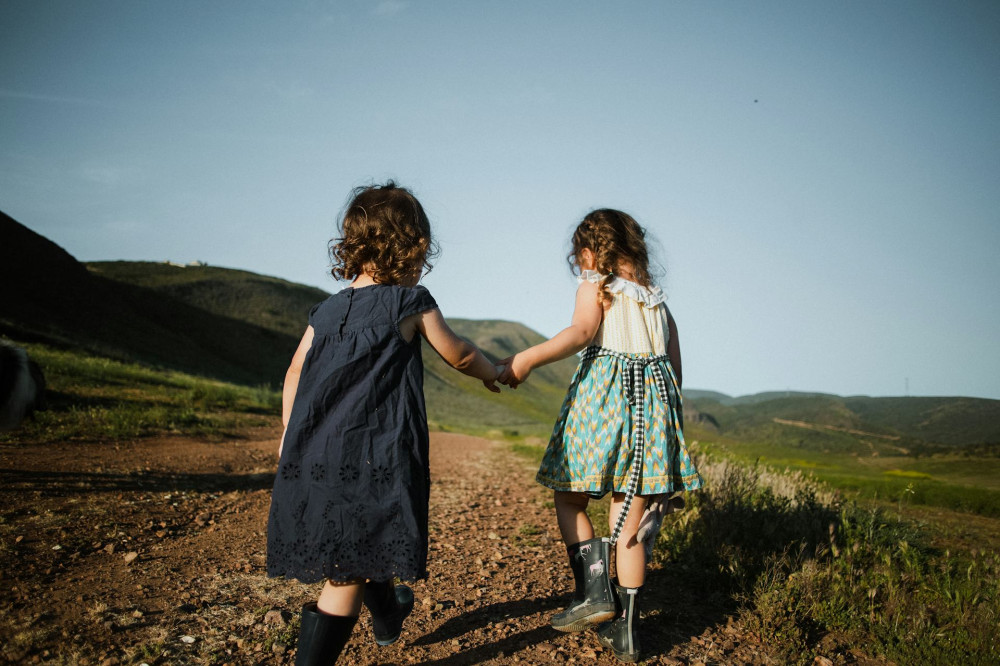
- Explore nature: Collect leaves, rocks, and sticks on a walk. Try small experiments—can a stick float? Why do some leaves look different from others?
- Kitchen science: Cooking is full of chemistry and physics. Why does dough rise? What happens when you whip cream or melt chocolate?
The goal isn’t perfection—it’s exploration. When children are free to try, fail, and try again, they learn to think independently and find their own solutions.
Læs også:



Creating a Safe Space for Wonder
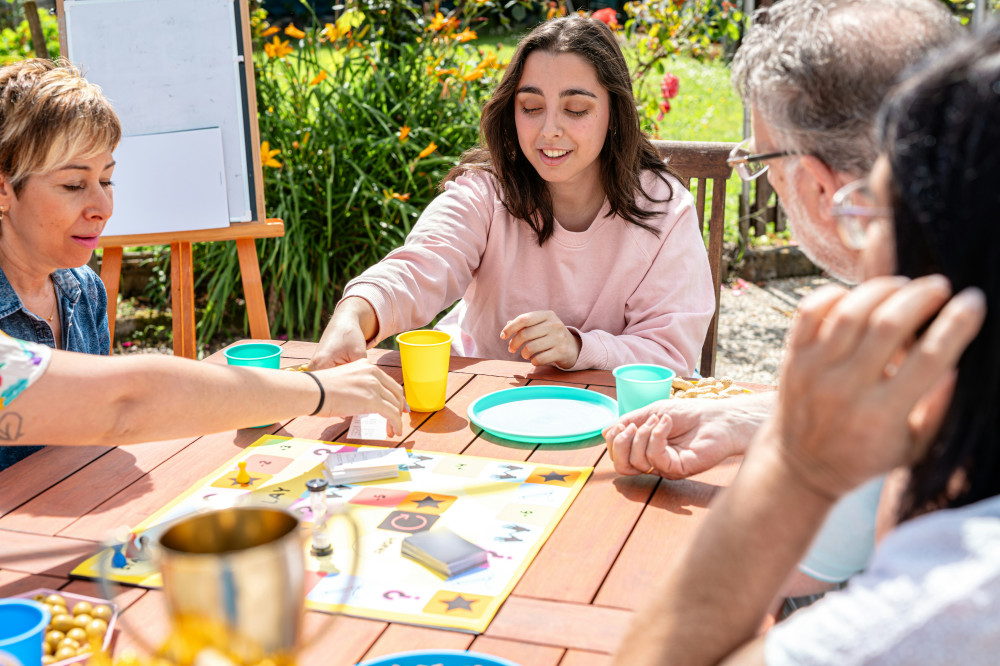
A curious child needs adults who are comfortable saying, “I don’t know—let’s find out together.” That shows that learning is a shared journey and that no one has all the answers. Create a home where questions are welcome and mistakes are part of the adventure.
You might set aside a weekly “discovery day,” where you and your child choose a topic to explore—from the stars in the night sky to how plants grow. Use books, videos, or simple experiments as starting points, and let your child help guide the direction.
Digital Discovery and Modern Curiosity
Technology can also be a powerful tool for nurturing curiosity—when used creatively. There are many apps and websites where kids can experiment with coding, music, or science in playful ways. It’s not about screen time itself, but about how that time is used.
Try letting your child program a small robot, create a digital story, or take photos of nature to study together. When technology becomes a tool for creating and exploring, it supports the same curiosity that thrives in hands-on play.
Finding Wonder in Everyday Moments
Discovery doesn’t have to be a special project. It can live in the small moments of daily life: watching how rainwater flows down the street, wondering why the moon changes shape, or noticing how shadows move during the day. It’s about seeing the world with open eyes—and showing children that asking questions is exciting.
By nurturing curiosity together, we help children see that the world is full of possibilities—and that they have the power to explore and understand it. That sense of wonder is a gift that lasts far beyond childhood.
Læs også: