Fun Walks: Create Little Obstacles in Nature

Fun Walks: Create Little Obstacles in Nature
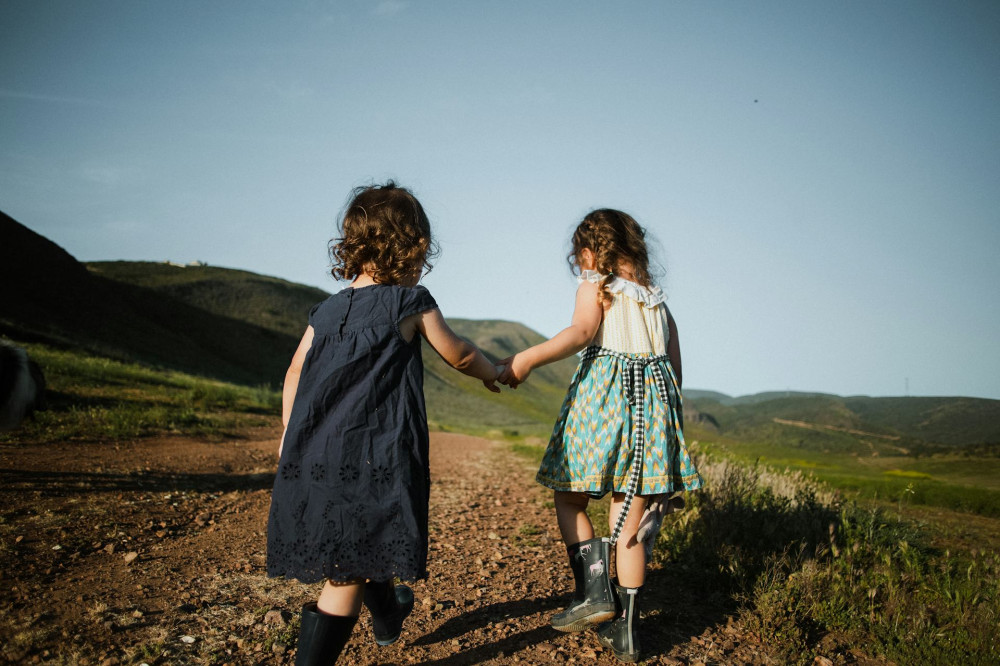
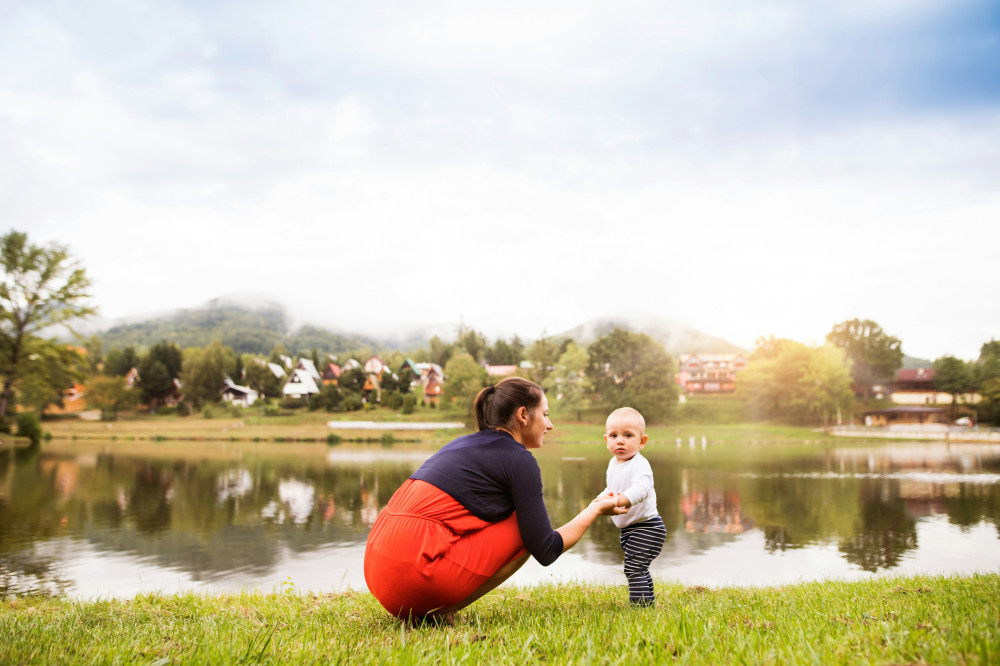
A walk outdoors can be so much more than fresh air and exercise. With a bit of imagination, you can turn an ordinary stroll through a park, forest, or along a trail into a playful adventure for both kids and adults. Small challenges and games along the way make the walk more fun, build coordination, and create shared laughter. Here’s how you can add a touch of creativity to your next walk—without leaving a trace behind.
Turn Nature into a Playground
Nature already provides everything you need for fun challenges: fallen branches, rocks, logs, hills, and winding paths. It’s all about seeing your surroundings with new eyes. A fallen tree can become a balance beam, a small stream a jumping challenge, and a hill a mini racecourse.
When you create obstacles, think about variety—some that test balance, others that require strength or flexibility. This keeps the walk engaging, especially for kids who might otherwise lose interest in “just walking.”
Ideas for Natural Obstacles
Here are a few simple and fun ideas to try on your next walk:
- Balance on logs or curbs – see who can stay balanced the longest.
- Jump over branches or rocks – create a mini obstacle course using what you find along the trail.
- Crawl under and climb over – use low branches or large rocks as tunnels and climbing challenges.
- Find the fastest route – pick a landmark ahead and see who can find the most creative way to reach it.
- Throw and aim – use pinecones, small stones, or sticks as “balls” and make targets out of natural shapes.
- Nature scavenger hunt – make a list of things to find: a feather, a red leaf, an animal track, a round stone.
These activities require no special equipment and can be adapted for all ages. The key is to keep the pace fun and inclusive so everyone can join in.
Læs også:
Get Kids Involved
Kids love to help come up with challenges. Let them design small courses or choose which obstacles to try next. It gives them a sense of ownership and makes the walk more exciting.
You can also let children take turns being the “leader.” For one minute, they decide what everyone does—hop on one foot, walk backward, find something green, or make an animal shape out of sticks. It’s a great way to mix movement with imagination.
Safety and Respect for Nature
When playing outdoors, it’s important to be mindful of the environment. Avoid damaging plants, breaking branches off living trees, or moving large rocks. Use what’s already loose and leave the area as you found it.
Safety matters too—especially with young children. Check that the ground isn’t slippery and that obstacles aren’t too high or unstable. The goal is fun, not risk.
Walking as a Shared Experience
A walk with small obstacles isn’t just about physical activity. It’s also about spending time together—away from screens, stress, and schedules. Many families find that kids are more eager to go outside when the walk feels like a game.
You can even make it a tradition: a “Sunday challenge” or “trail adventure,” where each week you explore a new place and invent new obstacles. It adds variety and gives everyone something to look forward to.
Simple Moments That Last
You don’t need expensive gear or long drives to create memorable outdoor experiences. Often, it’s the small, spontaneous games that stick in our minds—the time you balanced across a log, built a fort from branches, or raced to jump over puddles.
So next time you lace up your shoes, bring your imagination along. Nature is the best playground you’ll ever find—and it’s always open.
Læs også: