Movement as Shared Joy – Making Exercise a Natural Part of Family Life

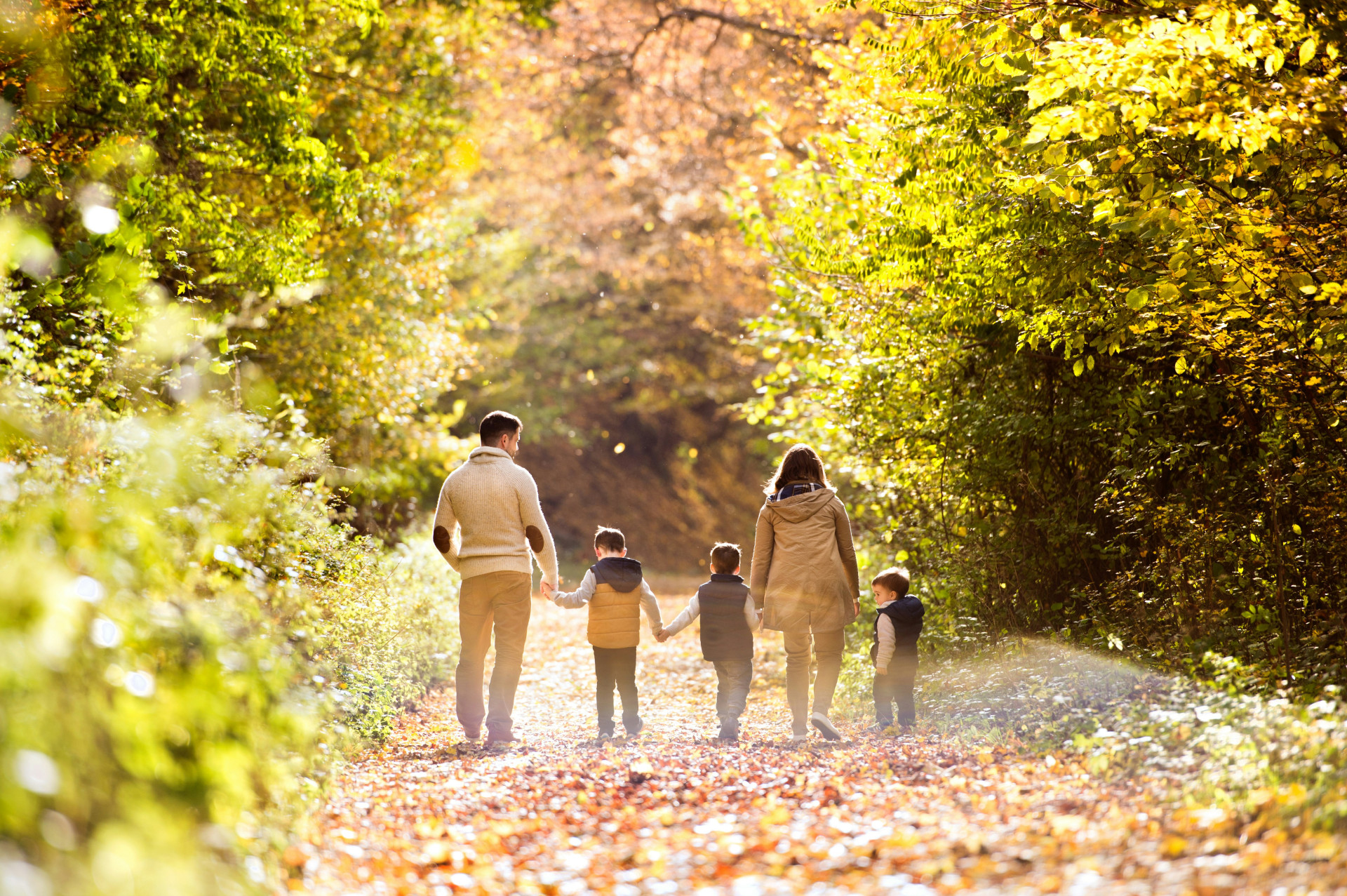
Discover how shared movement can bring energy, laughter, and stronger connections to your family’s everyday life
Well-being
Well-being
6 min
Turn exercise from a chore into a joyful part of family life. Learn how to weave movement naturally into your daily routines, make it fun for all ages, and strengthen both body and bonds along the way.
Gabriel Cook
Gabriel
Cook

Movement as Shared Joy – Making Exercise a Natural Part of Family Life

Discover how shared movement can bring energy, laughter, and stronger connections to your family’s everyday life
Well-being
Well-being
6 min
Turn exercise from a chore into a joyful part of family life. Learn how to weave movement naturally into your daily routines, make it fun for all ages, and strengthen both body and bonds along the way.
Gabriel Cook
Gabriel
Cook

Between work, school, and daily responsibilities, finding time for exercise can feel impossible. But physical activity doesn’t have to be another item on the to-do list—it can become a natural and joyful part of family life. When movement is something you do together, it strengthens not only your bodies but also your bonds and your moods. Here’s how to make exercise a shared source of joy in your family’s everyday life.

Movement as Togetherness – Not Obligation

For many adults, exercise is associated with discipline, sweat, and effort. But for kids—and often for grown-ups too—it’s really about play, fun, and connection. When movement becomes a way to spend time together, it stops feeling like a chore and starts feeling like quality time.

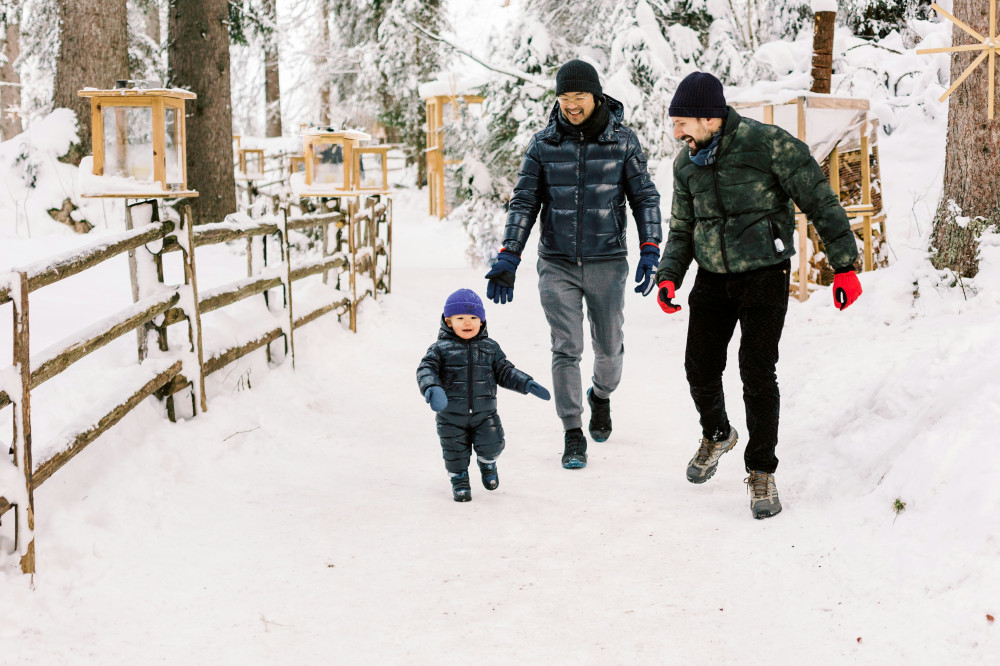
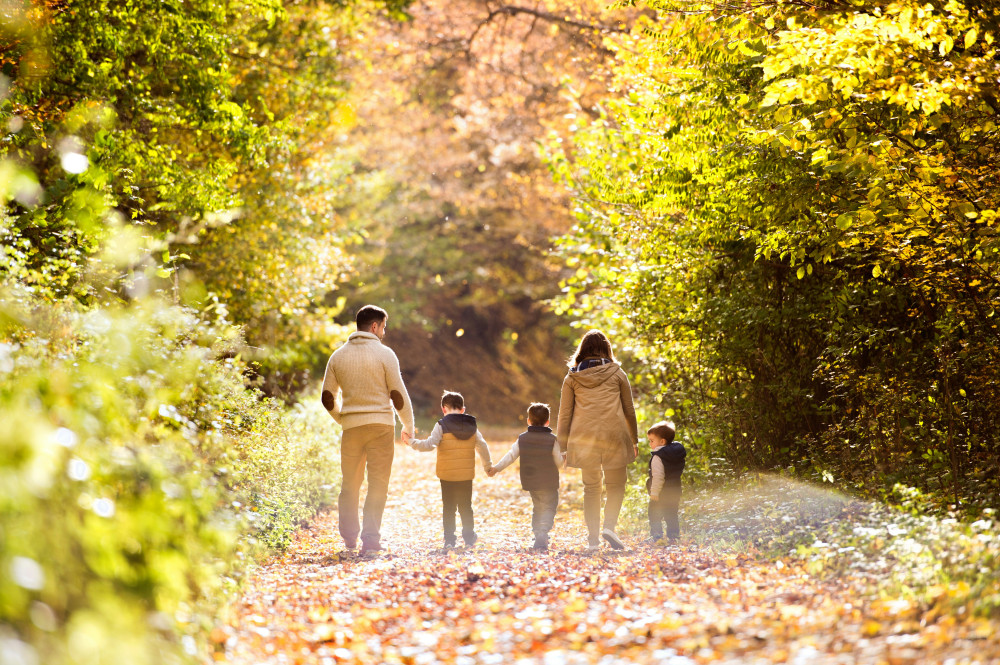
It can be as simple as a backyard soccer game, a bike ride after dinner, or a walk with the dog. The key is to keep it fun and manageable. Small, consistent activities make a big difference—for your fitness and for your family’s sense of togetherness.

Build Routines That Fit Your Life

Making exercise part of daily life is about finding rhythms that work for your family. Maybe it’s a “movement day” every weekend, or small habits that gradually become second nature.

  • Walk or bike to school or work when possible. It’s a great way to start the day with fresh air and energy.
  • Take short movement breaks—dance to a favorite song, stretch together, or play a quick game of tag.
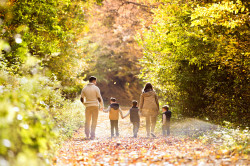
  • Use the outdoors—a trip to a local park, trail, or beach offers both exercise and calm.
  • Let kids help plan activities so they feel ownership and excitement.

When movement becomes a habit, it takes less willpower—and brings more joy.

Play as Exercise

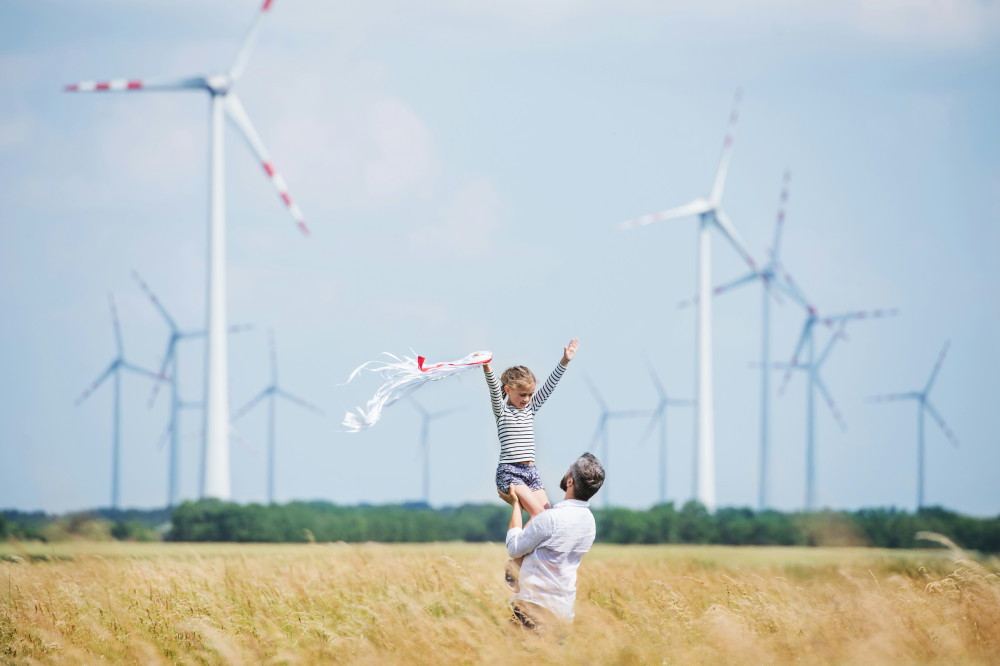
Kids move most when they play, and play is one of the best ways for the whole family to stay active. Rediscover the fun of play: organize a scavenger hunt, set up an obstacle course in the yard, shoot hoops, or join your kids on the playground.

Play doesn’t just strengthen muscles—it strengthens relationships. When parents join in, children see that being active is something positive and fun, not something you “have to” do to be healthy.

Movement for Every Age

Each family member has different needs and interests, but that doesn’t mean you can’t find common ground.

  • Young children love movement through play, dancing, and exploration.
  • School-age kids are motivated by games, challenges, and shared goals.
  • Teens value independence—maybe they’d rather run, skate, or go to the gym.
  • Adults can use exercise as a break from daily stress and a way to connect with their kids.

The goal is to balance shared experiences with individual interests—and to show that movement can take many forms.

Make It Easy to Choose Movement

The easier it is to get started, the more likely it is to happen. Keep sneakers and gear handy, look for local activities, and set realistic goals. It doesn’t have to be perfect—the important thing is to do something.

Think in terms of “micro-movement”: small bursts of activity throughout the day. Take the stairs, play a quick game of catch, or dance in the kitchen while dinner cooks. It all counts.

Celebrate the Small Wins

As movement becomes part of your routine, remember to celebrate effort—not just results. Cheer for the fact that you went outside even when it was chilly, or that you tried something new together. These moments build motivation and a sense of shared success.

Over time, you’ll notice that movement brings not only more energy but also more connection and joy. It becomes a way of being together—not a project, but a lifestyle.

An Investment in Well-Being

Making exercise a natural part of family life isn’t just about physical health—it’s about overall well-being. Movement releases endorphins, reduces stress, and boosts mood. At the same time, it strengthens relationships through shared experiences and laughter.

Movement as shared joy is an investment in both body and mind—and in what truly holds a family together: connection, laughter, and lasting memories.

Creativity and play at home
Inspire your family to be creative together! This e-book offers a range of fun and creative activities to explore at home, strengthening family bonds and stimulating childrens imaginations.
Grab the e-book now
Air Quality and Well-Being: How Climate Change Affects Our Breathing and Energy Levels
Discover how shifting climates and rising pollution levels influence the air we breathe and the energy we feel every day
Well-being
Well-being
Climate Change
Air Quality
Health
Environment
Well-Being
6 min
Climate change is transforming more than our weather—it’s altering the very air around us. Learn how temperature increases, pollution, and allergens affect your breathing, focus, and overall well-being, and explore practical ways to create cleaner, healthier air in your daily life.
Ivy Davis
Ivy
Davis
Parents as Role Models for the Family’s Mental Health
How parents’ everyday actions shape the emotional well-being of the whole family
Well-being
Well-being
Parenting
Mental Health
Family Well-Being
Emotional Intelligence
Self-Care
2 min
Parents set the tone for their family’s mental health through the way they handle stress, emotions, and relationships. Discover how mindful communication, self-care, and openness can create a supportive home environment where everyone can thrive.
Ellie Edwards
Ellie
Edwards
Colds in Families with Children – Supporting Your Child’s Health Without Overreacting
Learn how to handle common colds calmly and support your child’s natural recovery
Well-being
Well-being
Child Health
Parenting
Common Cold
Family Wellness
Cold Prevention
4 min
Colds are a normal part of childhood, especially in families with young children. Discover how to care for your child effectively, know when to seek medical advice, and prevent the spread of infection—without unnecessary worry or overreaction.
Adrian Robinson
Adrian
Robinson
Calm Mornings and Evenings: Small Adjustments with a Big Impact
Discover how simple changes to your morning and evening routines can transform your day
Well-being
Well-being
Mindfulness
Daily Routine
Well-Being
Stress Management
Healthy Habits
5 min
Learn how small, mindful adjustments at the start and end of your day can boost your energy, improve your sleep, and bring a greater sense of calm to everyday life. These easy habits can make a big difference in your overall well-being.
Leah Green
Leah
Green
Movement as Shared Joy – Making Exercise a Natural Part of Family Life
Discover how shared movement can bring energy, laughter, and stronger connections to your family’s everyday life
Well-being
Well-being
Family Life
Exercise
Well-Being
Healthy Habits
Togetherness
6 min
Turn exercise from a chore into a joyful part of family life. Learn how to weave movement naturally into your daily routines, make it fun for all ages, and strengthen both body and bonds along the way.
Gabriel Cook
Gabriel
Cook
Repetition and Rituals – The Path to a Child’s Development and Independence
How daily routines and familiar patterns nurture confidence and growth in children
Family life
Family life
Child Development
Parenting
Early Learning
Family Life
Emotional Growth
7 min
Discover how repetition and small everyday rituals help children feel secure, learn new skills, and gradually become more independent. This article explores the power of predictability and structure in supporting emotional and cognitive development.
Ivy Davis
Ivy
Davis
Family Therapy as a Tool: Learn to Handle Disagreements Without Creating Distance
Strengthen family bonds by turning conflict into connection
Family life
Family life
Family Therapy
Communication
Relationships
Conflict Resolution
Mental Health
4 min
Discover how family therapy can help you navigate disagreements with understanding and empathy. Learn practical ways to communicate, resolve tension, and build a stronger sense of togetherness without creating emotional distance.
Ellie Edwards
Ellie
Edwards
Blended Families: When Bonds Grow Stronger Over Time
Discover how time, patience, and shared experiences can turn blended families into lasting sources of love and connection
Family life
Family life
Blended Families
Parenting
Family Relationships
Step-Parenting
Family Life
2 min
When two families unite, it can take effort to find balance and belonging. This article explores how blended families grow stronger over time—through understanding, communication, and the creation of new traditions that bring everyone closer together.
Adrian Robinson
Adrian
Robinson
The Little Conversations That Strengthen Family Life Every Day
How small, everyday conversations can bring families closer together
Family life
Family life
Family Life
Communication
Relationships
Parenting
Everyday Moments
7 min
In the middle of busy routines, it’s often the brief, genuine exchanges that keep families connected. Discover how small daily conversations can build trust, strengthen relationships, and create a sense of togetherness that lasts.
Leah Green
Leah
Green