Small Home, Big Harmony: Design Tips to Make Your Space Feel Larger

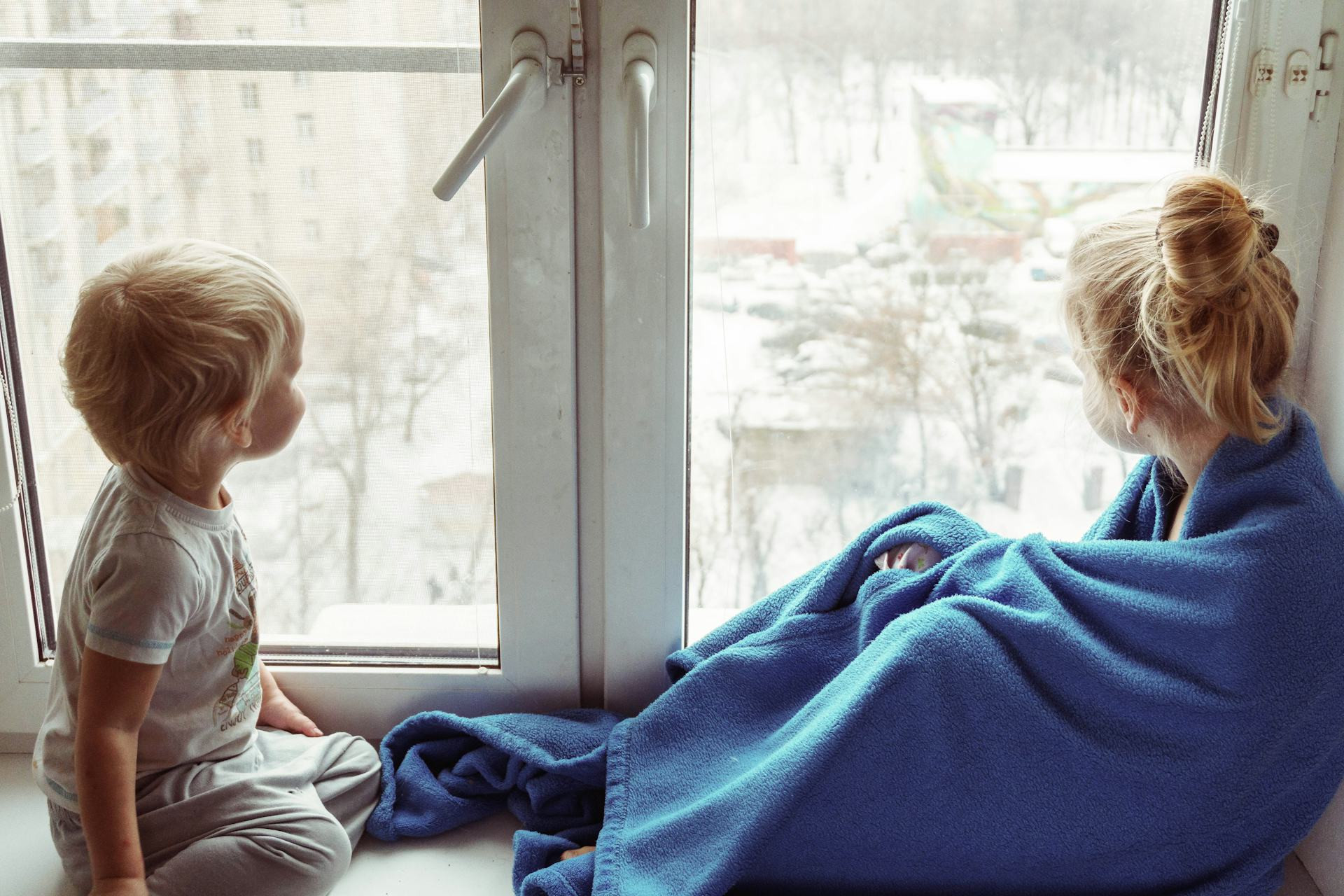
Smart design ideas to make every square foot feel open, calm, and full of character
House
House
2 min
Discover how thoughtful choices in color, furniture, and layout can transform even the smallest home into a spacious and harmonious retreat. Learn practical tips to create flow, light, and comfort without compromising on style.
Ellie Edwards
Ellie
Edwards

Small Home, Big Harmony: Design Tips to Make Your Space Feel Larger

Smart design ideas to make every square foot feel open, calm, and full of character
House
House
2 min
Discover how thoughtful choices in color, furniture, and layout can transform even the smallest home into a spacious and harmonious retreat. Learn practical tips to create flow, light, and comfort without compromising on style.
Ellie Edwards
Ellie
Edwards

Living small doesn’t have to mean sacrificing comfort or style. In fact, a compact home can feel calm, functional, and full of personality when designed thoughtfully. With the right choices in color, furniture, and lighting, even a studio apartment or tiny house can feel open and inviting. Here’s how to make your space feel larger—without losing its warmth or character.

Light and Color – The Foundation of Spaciousness

Light is your best friend when it comes to creating the illusion of space. Natural light makes rooms feel open and airy, so avoid heavy drapes that block windows. Instead, choose sheer or lightweight curtains in soft, neutral tones that let sunlight flow freely.

Color plays an equally important role. Light shades—especially whites, creams, and pale grays—reflect light and make walls seem to recede. If you prefer a cozier feel, try soft pastels or muted earth tones. Keeping your walls and ceiling in similar hues helps blur boundaries and makes the room appear taller.

To add depth, paint one accent wall in a slightly darker shade. This creates contrast and visual interest without making the space feel smaller.

Multifunctional Furniture – One Piece, Many Purposes

In a small home, every piece of furniture should earn its keep. Look for items that serve multiple functions: a sleeper sofa for guests, a coffee table with hidden storage, or a dining table that folds down when not in use. Modular furniture and nesting tables are also great for flexible living.

Take advantage of vertical space with shelving or cabinets that reach the ceiling. Use closed storage at the bottom for a tidy look and open shelves above to draw the eye upward. This not only maximizes storage but also gives the illusion of height.

Create Flow with Zones and Breathing Room

Even in a small space, structure matters. Define zones for different activities—like a reading nook, a workspace, or a dining area—using rugs, lighting, or furniture placement. This helps the space feel organized and intentional.

Avoid pushing furniture against every wall or filling every corner. Leaving a bit of open space around pieces makes the room feel larger and easier to move through. When in doubt, choose fewer but slightly larger furniture items rather than many small ones; it creates a calmer, more cohesive look.

Mirrors and Glass – Small Tricks, Big Impact

Mirrors are a classic design trick for expanding space. Place a large mirror opposite a window or light source to reflect light and visually double the room. Glass and acrylic furniture—like a clear coffee table or ghost chair—also help by keeping sightlines open and letting light pass through.

If you live in an apartment with small rooms, consider glass doors or frosted partitions to separate areas without blocking light. This maintains a sense of openness while still defining spaces.

Order and Simplicity – The Key to Calm

Clutter is the enemy of small spaces. Smart storage is essential to maintaining harmony. Use baskets, bins, and drawers to keep everyday items out of sight, and make sure everything has a designated place. The more you clear your surfaces, the larger and more peaceful your home will feel.

Minimalism doesn’t mean living without personality—it’s about choosing what truly matters. Surround yourself with fewer, well-loved items, and your home will feel balanced and serene.

Greenery and Personal Touches

Even the smallest home has room for life. Houseplants bring freshness and softness to interiors, adding a natural contrast to clean lines and neutral tones. Choose small potted plants for windowsills or hanging planters if floor space is limited.

Personal touches—like artwork, books, or textiles—make your space uniquely yours. The goal isn’t to fill every inch, but to create an atmosphere that reflects who you are. A harmonious home is one where function and feeling coexist beautifully.

Small but Mighty – When the Whole Comes Together

Designing a small home is all about seeing the big picture. When light, color, furniture, and storage work together, the result is balance and comfort. It’s not the size of your home that determines how well you live—but how thoughtfully you use the space.

With creativity, care, and a sense of harmony, even the tiniest home can feel open, welcoming, and full of life.

Creativity and play at home
Inspire your family to be creative together! This e-book offers a range of fun and creative activities to explore at home, strengthening family bonds and stimulating childrens imaginations.
Grab the e-book now
Personal Storage: Create a Unique Look with Colors, Textures, and Shapes
Turn everyday storage into a design statement that reflects your personal style
House
House
Home Storage
Interior Design
Home Decor
Personal Style
Organization
2 min
Discover how to transform storage from a hidden necessity into a stylish feature of your home. Learn how colors, textures, and shapes can bring harmony, character, and individuality to your living space.
Ivy Davis
Ivy
Davis
Small Home, Big Harmony: Design Tips to Make Your Space Feel Larger
Smart design ideas to make every square foot feel open, calm, and full of character
House
House
Interior Design
Small Spaces
Home Decor
Space Saving
Lifestyle
2 min
Discover how thoughtful choices in color, furniture, and layout can transform even the smallest home into a spacious and harmonious retreat. Learn practical tips to create flow, light, and comfort without compromising on style.
Ellie Edwards
Ellie
Edwards
Give Standard Furniture New Life with Personal Touches and Creative Solutions
Turn ordinary furniture into unique pieces that reflect your personality and creativity
House
House
Home Decor
DIY
Furniture Makeover
Interior Design
Creative Living
6 min
Discover how to transform standard furniture into something special with simple updates, clever ideas, and personal touches. From paint and hardware swaps to repurposing and sustainable choices, learn how to make your home truly your own.
Adrian Robinson
Adrian
Robinson
Light and Power in Balance: How to Upgrade Electrical Installations and Lighting During a Renovation
Make your renovation shine with smarter, safer, and more efficient electrical and lighting solutions
House
House
Home Renovation
Electrical Installation
Lighting Design
Energy Efficiency
Interior Design
3 min
Renovating your home is the ideal opportunity to modernize your electrical installations and lighting. Learn how to plan for safety, comfort, and energy efficiency while creating the perfect atmosphere in every room—indoors and out.
Leah Green
Leah
Green
Find Your Color Palette – How to Choose Shades That Suit Your Home and Mood
Discover how the right colors can transform your home and influence how you feel every day
House
House
Interior Design
Home Decor
Color Psychology
Mood
Style
4 min
Learn how to choose a color palette that reflects your personality and enhances the atmosphere of your home. From calming neutrals to energizing tones, this guide helps you find shades that suit both your space and your mood.
Gabriel Cook
Gabriel
Cook
Repetition and Rituals – The Path to a Child’s Development and Independence
How daily routines and familiar patterns nurture confidence and growth in children
Family life
Family life
Child Development
Parenting
Early Learning
Family Life
Emotional Growth
7 min
Discover how repetition and small everyday rituals help children feel secure, learn new skills, and gradually become more independent. This article explores the power of predictability and structure in supporting emotional and cognitive development.
Ivy Davis
Ivy
Davis
Family Therapy as a Tool: Learn to Handle Disagreements Without Creating Distance
Strengthen family bonds by turning conflict into connection
Family life
Family life
Family Therapy
Communication
Relationships
Conflict Resolution
Mental Health
4 min
Discover how family therapy can help you navigate disagreements with understanding and empathy. Learn practical ways to communicate, resolve tension, and build a stronger sense of togetherness without creating emotional distance.
Ellie Edwards
Ellie
Edwards
Blended Families: When Bonds Grow Stronger Over Time
Discover how time, patience, and shared experiences can turn blended families into lasting sources of love and connection
Family life
Family life
Blended Families
Parenting
Family Relationships
Step-Parenting
Family Life
2 min
When two families unite, it can take effort to find balance and belonging. This article explores how blended families grow stronger over time—through understanding, communication, and the creation of new traditions that bring everyone closer together.
Adrian Robinson
Adrian
Robinson
The Little Conversations That Strengthen Family Life Every Day
How small, everyday conversations can bring families closer together
Family life
Family life
Family Life
Communication
Relationships
Parenting
Everyday Moments
7 min
In the middle of busy routines, it’s often the brief, genuine exchanges that keep families connected. Discover how small daily conversations can build trust, strengthen relationships, and create a sense of togetherness that lasts.
Leah Green
Leah
Green