Back to School Habits – How to Get into a Good Routine After the Break


Smoothly transition from summer freedom to school-day structure with simple, family-friendly routines
Training
Training
2 min
Getting back into the school rhythm doesn’t have to be stressful. With a few thoughtful habits and a bit of planning, you can help your children adjust to early mornings, homework, and healthy routines that set the tone for a successful year.
Leah Green
Leah
Green

Back to School Habits – How to Get into a Good Routine After the Break

Smoothly transition from summer freedom to school-day structure with simple, family-friendly routines
Training
Training
2 min
Getting back into the school rhythm doesn’t have to be stressful. With a few thoughtful habits and a bit of planning, you can help your children adjust to early mornings, homework, and healthy routines that set the tone for a successful year.
Leah Green
Leah
Green

As summer winds down and the school year approaches, the shift from vacation mode to daily routines can feel abrupt—for both kids and parents. Sleep schedules, mealtimes, and homework habits all need to find their place again in a more structured rhythm. With a bit of planning and patience, you can make the transition back to school smooth and positive. Here are some ideas to help your family ease into good habits after the break.

Start by Reestablishing the Rhythm

Summer often means late nights, slow mornings, and spontaneous days. That’s part of the fun—but it can make early school mornings a challenge. Begin adjusting your family’s schedule gradually in the week or two before school starts.

  • Move bedtime earlier each night so everyone’s body clock can readjust to school hours.
  • Eat meals at consistent times to help stabilize energy levels.
  • Practice morning routines that mimic school days—like getting dressed, eating breakfast together, and packing backpacks.

The more you practice your weekday rhythm ahead of time, the easier those first mornings back will feel.

Build Structure—But Keep It Flexible

A successful school routine thrives on structure, but it should also fit your family’s lifestyle. Create a weekly plan that includes school, extracurriculars, and downtime.

  • Use a family calendar—digital or on the fridge—so everyone knows what’s happening.
  • Set regular homework times, but be realistic: some kids focus best right after school, others after a break.
  • Establish small daily habits like packing lunches or laying out clothes the night before.

Structure brings a sense of calm and predictability, but remember to leave room for spontaneity and rest—those moments help everyone recharge.

Make Homework a Shared Habit

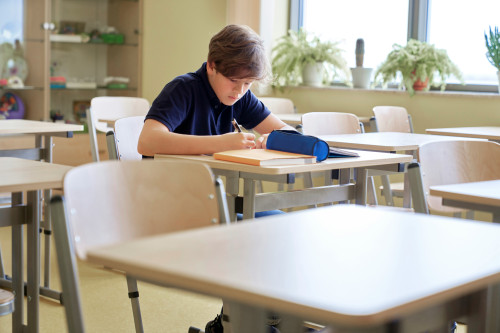
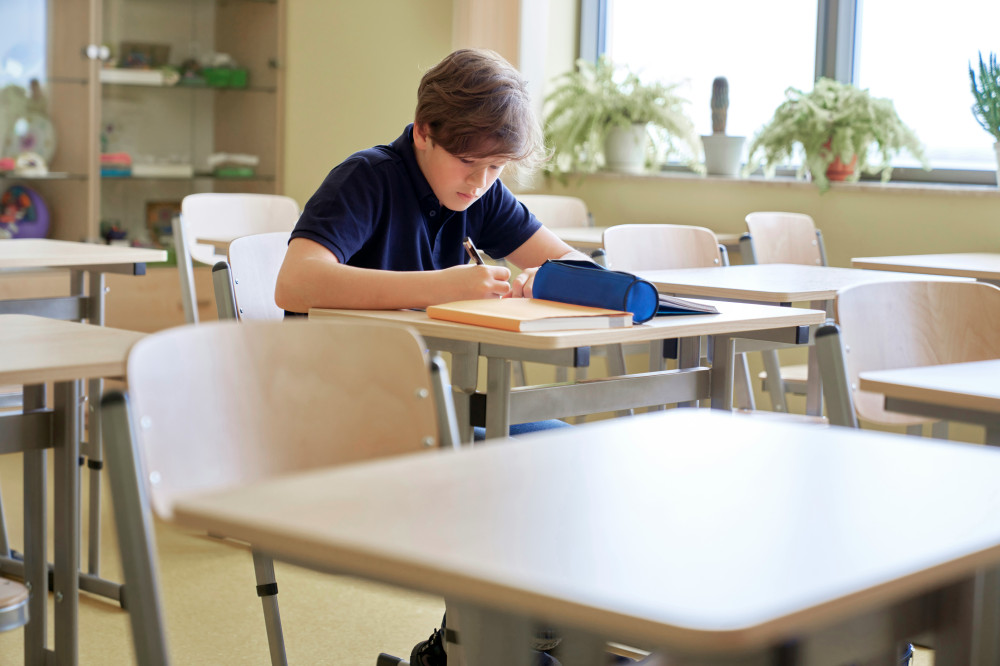
After a long break, it can be tough for kids to get back into homework mode. Help them ease in by creating a calm, consistent workspace free from distractions.

  • Keep homework sessions short and focused, with small breaks in between.
  • Show interest in what your child is learning, not just whether the homework is done.
  • Praise effort rather than results to build motivation and confidence.

If your child struggles to get started, try a “family work time”—sit together for 20 minutes while everyone focuses on their own tasks. It creates a sense of teamwork and quiet focus.

Talk About Expectations and Feelings

Back-to-school season isn’t just about logistics—it’s also an emotional transition. Some kids are excited, while others may feel anxious or uncertain. Take time to talk about how they’re feeling.

Ask open-ended questions like, “What are you most looking forward to?” or “Is there anything you’re nervous about?” This helps your child express their thoughts and gives you a chance to offer reassurance or problem-solve together.

For younger children, visiting the school or talking through what the first day will look like can help. Older kids might need support balancing schoolwork, friends, and activities.

Focus on Sleep and Screen Habits

Good sleep is essential for learning and mood—but it’s often the first thing to slip during summer. Reestablish healthy sleep routines before school starts.

  • Set a consistent bedtime on school nights, even if it’s tempting to stay up.
  • Create a screen-free zone an hour before bed to help everyone wind down.
  • Add calming bedtime rituals, like reading together or listening to soft music.

When kids are well-rested, mornings go smoother, focus improves, and the whole day feels easier.

Make the First Days Special

Returning to school doesn’t have to feel like the end of summer fun. Celebrate the new beginning with something simple but meaningful—a special breakfast, a new notebook, or a family outing after the first day. It sends the message that everyday routines can be something to look forward to.

Remember, it takes time to settle into a new rhythm. Be patient—with your kids and with yourself. After a few weeks, those routines will start to feel natural again, and your family can enjoy the steady pace of the school year ahead.

Creativity and play at home
Inspire your family to be creative together! This e-book offers a range of fun and creative activities to explore at home, strengthening family bonds and stimulating childrens imaginations.
Grab the e-book now
Make School Life Easier with Positive Home Routines
Build harmony at home and help your child thrive at school
Training
Training
Parenting
Family Life
School Routines
Child Development
Well-Being
3 min
Discover how simple, positive home routines can make school days smoother for the whole family. From stress-free mornings to calm evenings, learn practical ways to create structure, balance, and well-being that support both learning and family life.
Ivy Davis
Ivy
Davis
Create a Language-Rich Home Through Books, Music, and Conversation
Turn everyday moments into opportunities for language growth and connection
Training
Training
Language Development
Family Learning
Reading
Music
Communication
4 min
Discover how books, music, and conversation can transform your home into a space where language flourishes. Learn simple ways to nurture curiosity, strengthen relationships, and help both children and adults grow through words.
Ellie Edwards
Ellie
Edwards
The Importance of Sleep for Children’s Mood, Focus, and Well-Being
How quality sleep shapes children’s emotions, learning, and overall health
Training
Training
Children
Sleep
Parenting
Health
Well-Being
6 min
Discover why a good night’s sleep is essential for children’s mood, focus, and well-being. Learn how rest supports development, improves school performance, and helps families build healthy bedtime routines for happier, more balanced days.
Adrian Robinson
Adrian
Robinson
Back to School Habits – How to Get into a Good Routine After the Break
Smoothly transition from summer freedom to school-day structure with simple, family-friendly routines
Training
Training
Back to School
Parenting
Family Life
Routines
Education
2 min
Getting back into the school rhythm doesn’t have to be stressful. With a few thoughtful habits and a bit of planning, you can help your children adjust to early mornings, homework, and healthy routines that set the tone for a successful year.
Leah Green
Leah
Green
Homework Without Stress: How to Create Calm and Focus at Home
Turn homework time into a peaceful and productive part of your family’s day
Training
Training
Parenting
Education
Homework
Family Life
Child Development
4 min
Discover how to reduce stress and create focus during homework time with simple routines, supportive environments, and positive communication. Learn practical ways to help your child stay motivated and make learning a calm, rewarding experience at home.
Gabriel Cook
Gabriel
Cook
Repetition and Rituals – The Path to a Child’s Development and Independence
How daily routines and familiar patterns nurture confidence and growth in children
Family life
Family life
Child Development
Parenting
Early Learning
Family Life
Emotional Growth
7 min
Discover how repetition and small everyday rituals help children feel secure, learn new skills, and gradually become more independent. This article explores the power of predictability and structure in supporting emotional and cognitive development.
Ivy Davis
Ivy
Davis
Family Therapy as a Tool: Learn to Handle Disagreements Without Creating Distance
Strengthen family bonds by turning conflict into connection
Family life
Family life
Family Therapy
Communication
Relationships
Conflict Resolution
Mental Health
4 min
Discover how family therapy can help you navigate disagreements with understanding and empathy. Learn practical ways to communicate, resolve tension, and build a stronger sense of togetherness without creating emotional distance.
Ellie Edwards
Ellie
Edwards
Blended Families: When Bonds Grow Stronger Over Time
Discover how time, patience, and shared experiences can turn blended families into lasting sources of love and connection
Family life
Family life
Blended Families
Parenting
Family Relationships
Step-Parenting
Family Life
2 min
When two families unite, it can take effort to find balance and belonging. This article explores how blended families grow stronger over time—through understanding, communication, and the creation of new traditions that bring everyone closer together.
Adrian Robinson
Adrian
Robinson
The Little Conversations That Strengthen Family Life Every Day
How small, everyday conversations can bring families closer together
Family life
Family life
Family Life
Communication
Relationships
Parenting
Everyday Moments
7 min
In the middle of busy routines, it’s often the brief, genuine exchanges that keep families connected. Discover how small daily conversations can build trust, strengthen relationships, and create a sense of togetherness that lasts.
Leah Green
Leah
Green