Homework Without Stress: How to Create Calm and Focus at Home

Homework Without Stress: How to Create Calm and Focus at Home
Homework time can easily turn into a daily struggle in many American households. Kids are tired after a long day at school, parents are juggling work and family responsibilities, and tension can rise quickly. But with the right routines and environment, homework can become a calm and productive part of the day—a time for focus, growth, and connection. Here’s how to create a peaceful homework routine that works for your family.
Set Clear Routines and Boundaries
Children thrive on consistency. When homework happens at the same time and place each day, it becomes a predictable part of the routine rather than a daily battle. Think about when your child has the most energy—some kids prefer to get it done right after school, while others need a snack and a short break first.
Try establishing a simple structure:
- A set time – so homework doesn’t get pushed to late evening.
- A designated space – a quiet corner free from distractions.
- A clear time limit – so your child knows when it’s time to stop.
When homework becomes a natural part of the day, it reduces stress and helps children take responsibility for their own time.
Create a Calm and Inviting Study Space
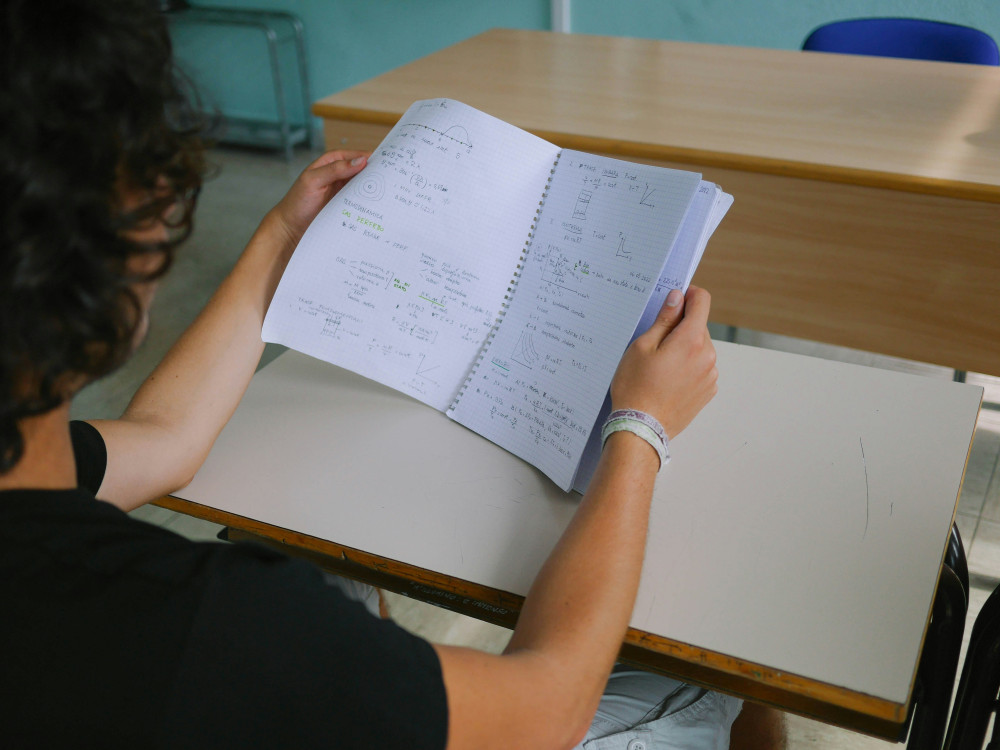
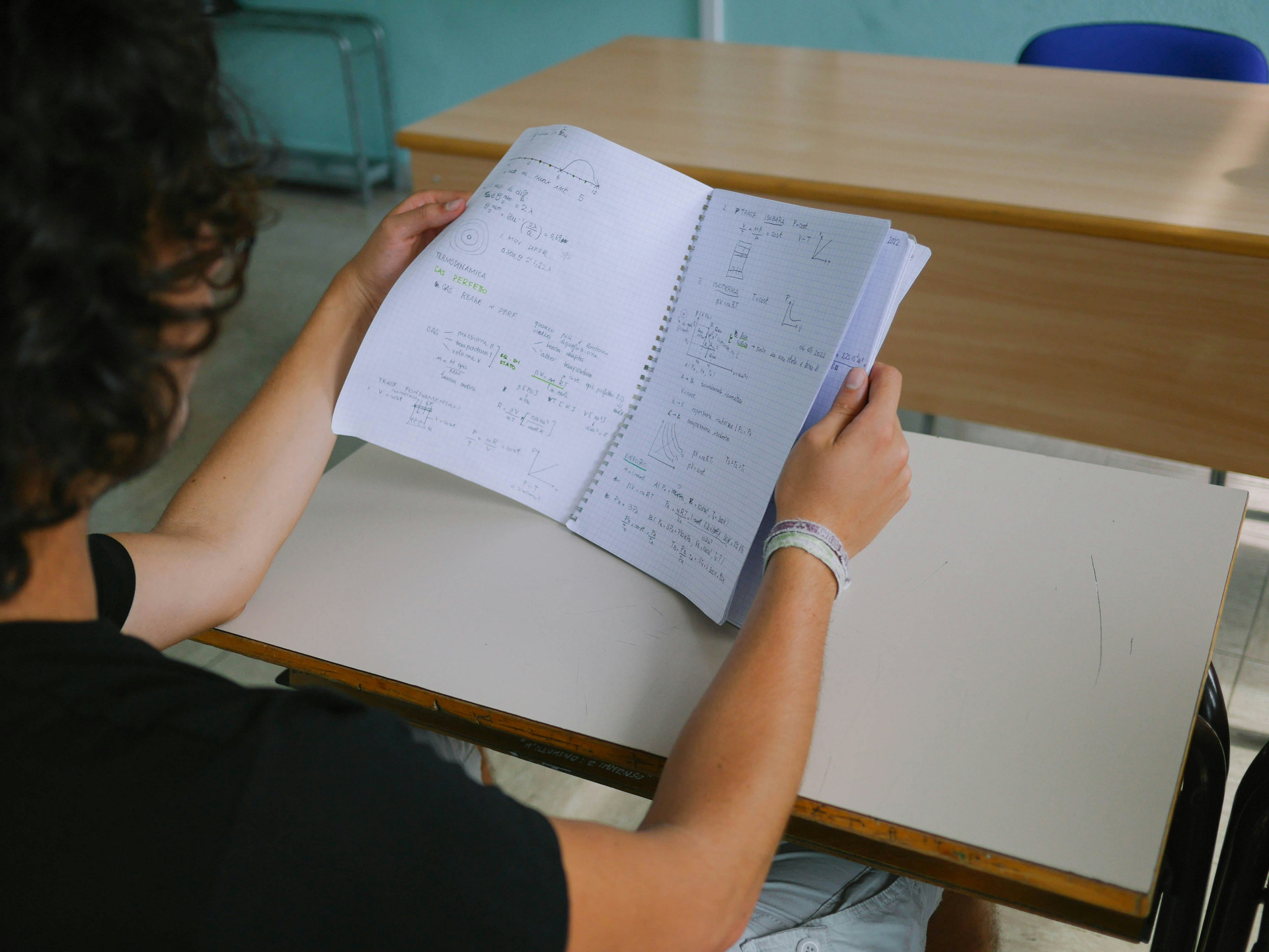
A good study environment is about more than just a desk and chair—it’s about atmosphere. Make sure the space has good lighting, fresh air, and minimal distractions. Turn off the TV, silence phones, and keep the area tidy.
Some kids focus best in silence, while others benefit from soft background music or white noise. Experiment to see what works best for your child. The goal is to create a space where they feel comfortable and able to concentrate.
A helpful tip: keep all necessary supplies—pencils, paper, calculator, laptop—within reach. Having everything ready prevents interruptions and keeps the focus on learning.
Offer Support, but Let Your Child Lead
It’s natural to want to help your child with every question, but too much involvement can make them dependent and anxious. Instead, aim to be a supportive guide in the background.
- Ask what assignments they have and how they plan to tackle them.
- Help them break big projects into smaller, manageable steps.
- Praise effort and persistence, not just results.
When children feel trusted and capable, their confidence grows. If frustration arises, focus on problem-solving together rather than giving direct answers.
Build in Breaks and Movement
No one can concentrate for hours without rest—especially kids. Short breaks help the brain recharge and improve focus. Encourage your child to stretch, grab a snack, or step outside for a few minutes.
A good rule of thumb: a 10-minute break for every 30 minutes of focused work. Avoid screen time during breaks if possible; physical movement or a quick chat can be more refreshing.
Talk About Motivation and Expectations
Homework isn’t just about academics—it’s also about developing motivation and independence. Talk with your child about why homework matters, not as a chore, but as a way to learn and grow. Ask what helps them stay motivated and how they prefer to learn.
If motivation is low, small rewards or goals can help. Maybe it’s extra playtime, a family walk, or simply the satisfaction of finishing strong. The key is helping your child see that effort pays off.
When Homework Turns Into a Struggle
Even with the best intentions, some days will be tough. If homework time ends in tears or frustration, take a step back. Ask yourself: Is your child tired, hungry, or overwhelmed? Often, resistance isn’t about the homework itself but about unmet needs.
If struggles happen often, reach out to the teacher. The workload might be too heavy, or your child may need extra support. Collaboration between home and school can make a big difference.
Make Learning a Family Value
Homework doesn’t have to be a lonely task. Show your child that learning is something the whole family values. Read together, ask about what they’re studying, or let them teach you something new. When kids see that curiosity and learning are part of everyday life, they’re more likely to stay engaged.
Model lifelong learning yourself—share something new you’ve learned or a challenge you’ve overcome. Children learn as much from what we do as from what we say.
Læs også:




Calm, Structure, and Support: The Keys to Success
Creating a stress-free homework routine isn’t about perfection—it’s about balance. With consistent routines, a peaceful environment, and supportive guidance, homework can become a positive and empowering part of your child’s day. When calm and structure meet encouragement, learning flourishes—and family life feels a little lighter, too.
Læs også: