Create a Language-Rich Home Through Books, Music, and Conversation

Create a Language-Rich Home Through Books, Music, and Conversation
Language is the foundation for understanding the world, expressing ideas, and building relationships. That’s why the language environment at home plays such an important role in both children’s and adults’ development. A language-rich home isn’t about speaking perfectly or using fancy words—it’s about curiosity, connection, and creating moments where language comes alive. Here’s how books, music, and everyday conversation can help your family grow together through words.
Books as Windows to the World
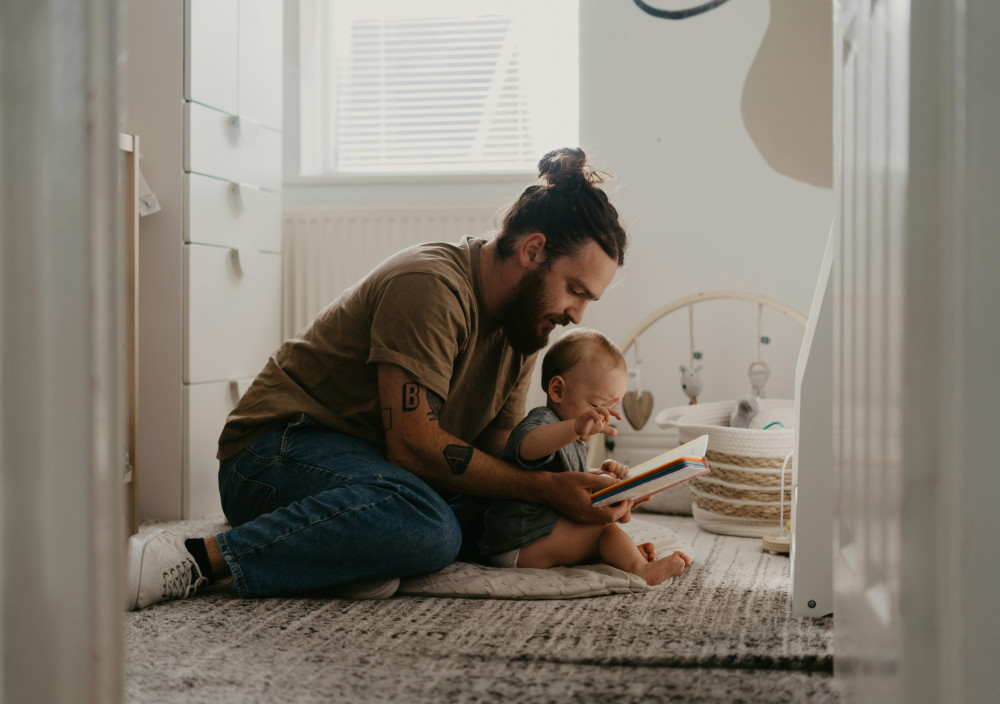
Reading together is one of the most powerful ways to expand vocabulary and deepen understanding of how language works. When children hear stories, they encounter words and expressions that rarely appear in daily conversation. They also learn to follow a storyline, make sense of events, and put feelings into words.
- Read aloud—even to older kids. Reading aloud builds closeness and opens the door to meaningful discussions. Ask what they think will happen next or how they would handle a situation in the story.
- Let kids choose the books. When children pick what they read, they’re more motivated. It might be picture books, graphic novels, or nonfiction about their favorite topics.
- Talk about the language. Pause at interesting or tricky words and explain what they mean. This makes reading interactive and fun.
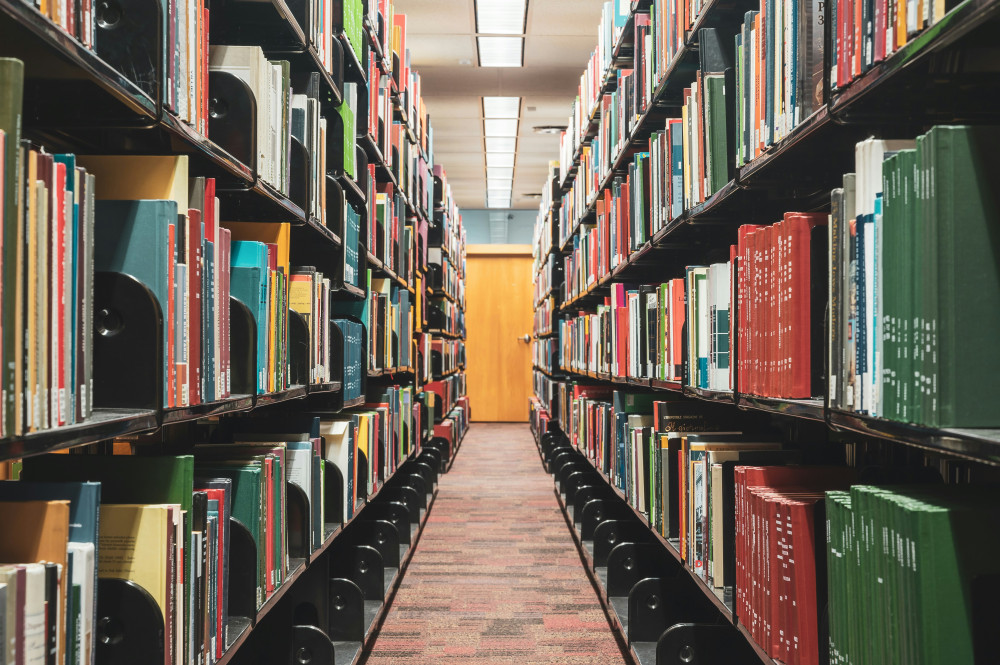
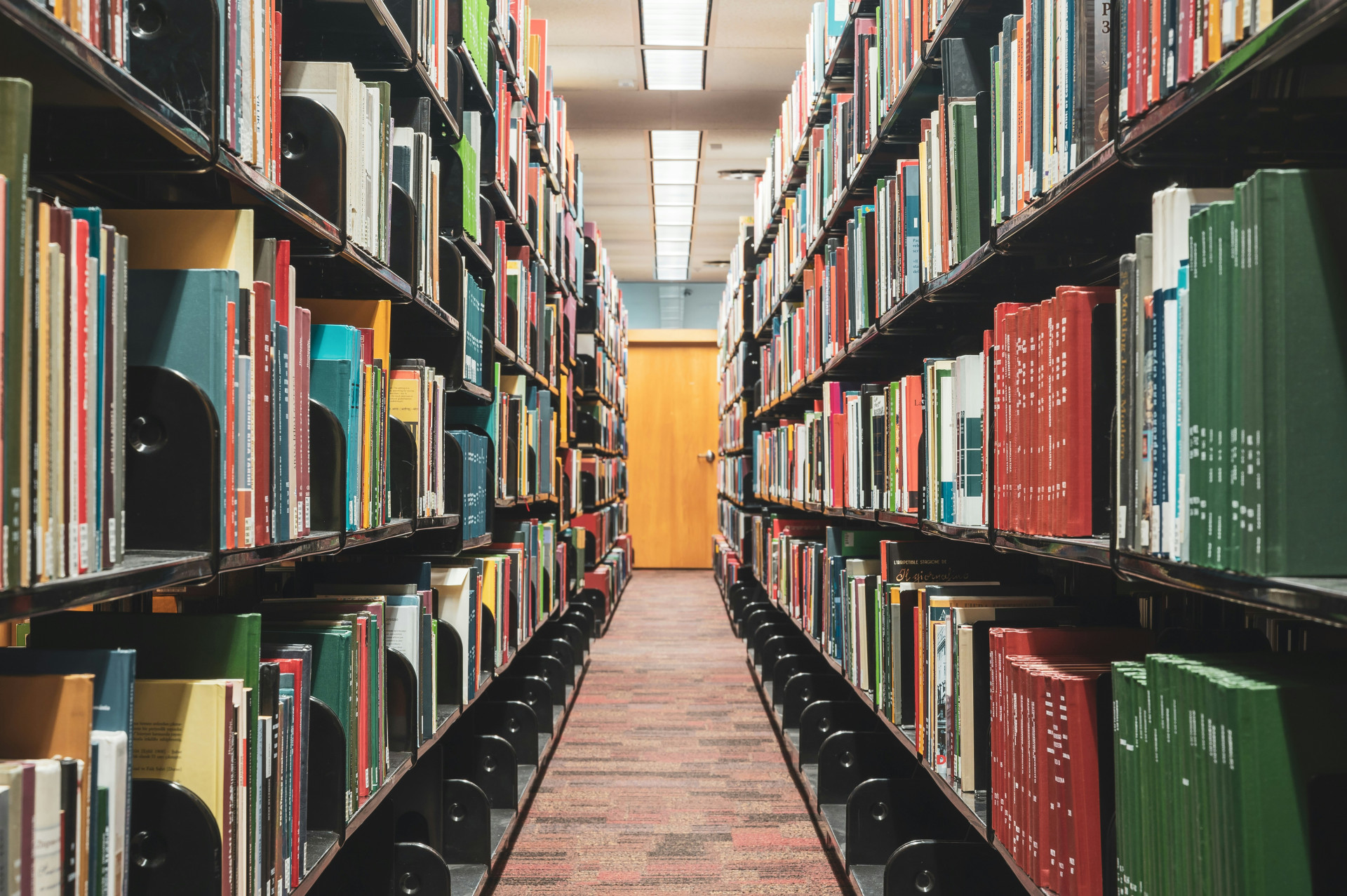
A small home library—maybe just a shelf with a mix of books—can become a natural gathering place for curiosity and conversation.
Music as a Playground for Language
Music and language are deeply connected. Rhythm, rhyme, and repetition help children hear patterns and sounds in speech. Singing together strengthens pronunciation, memory, and vocabulary—all in a joyful, playful way.
- Sing every day. It doesn’t have to sound perfect; what matters is the joy of singing together.
- Add movement. Songs with actions or dance make words easier to remember.
- Explore different kinds of music. Children’s songs, folk tunes, and even pop music can introduce new words and cultural references.
Music can also bridge generations. Ask grandparents to share songs from their childhood—it’s a wonderful way to connect language, memory, and family history.
Læs også:


Everyday Conversations That Build Connection
The most natural place to develop language is in daily conversation. It’s not about formal “language lessons,” but about being curious about each other’s thoughts and experiences.
- Ask open-ended questions. Instead of “Did you have a good day?” try “What was the best part of your day?”—it invites longer answers.
- Listen actively. Show interest, ask follow-up questions, and let your child finish their thoughts.
- Share your own reflections. When adults talk about how they think and feel, children learn to do the same.
Conversations at the dinner table, in the car, or before bedtime are small but powerful moments where language grows naturally.
Create an Environment Where Words Thrive
A language-rich home is also about the surroundings. Hang up words and pictures, leave notes for each other, or make a “word wall” where new and funny words can live. Play with rhymes, invent stories, and use humor. The more language is used, the more natural it becomes.
Most importantly, connect language with joy and togetherness. When children experience that words can be used to play, understand, and connect, they gain a strong foundation—not just for learning, but for life.
Læs også: