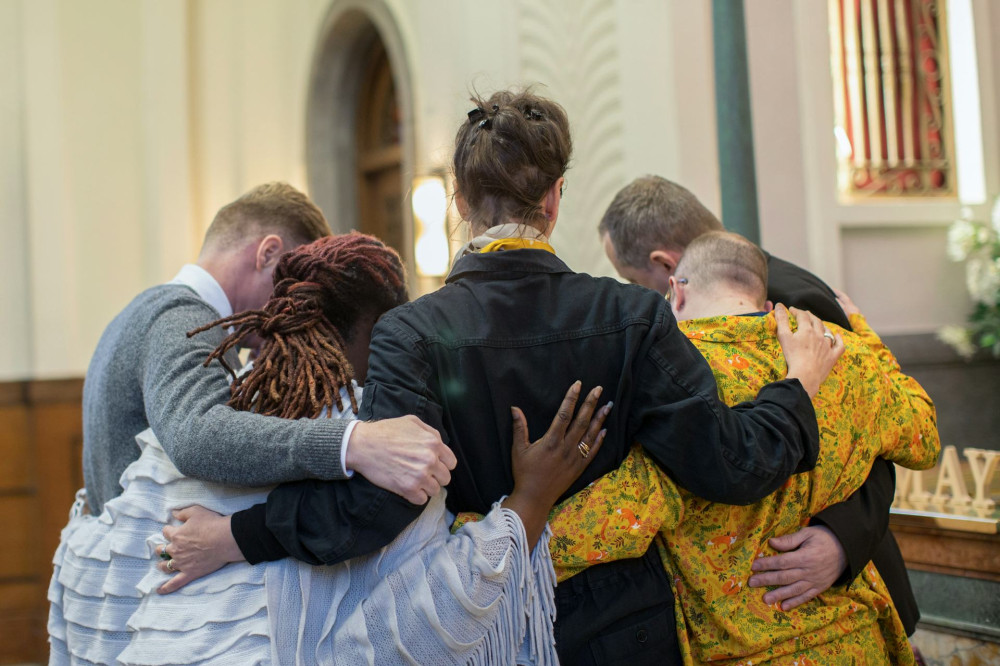
Comfort in Grief: Small Routines That Bring Calm in Difficult Times

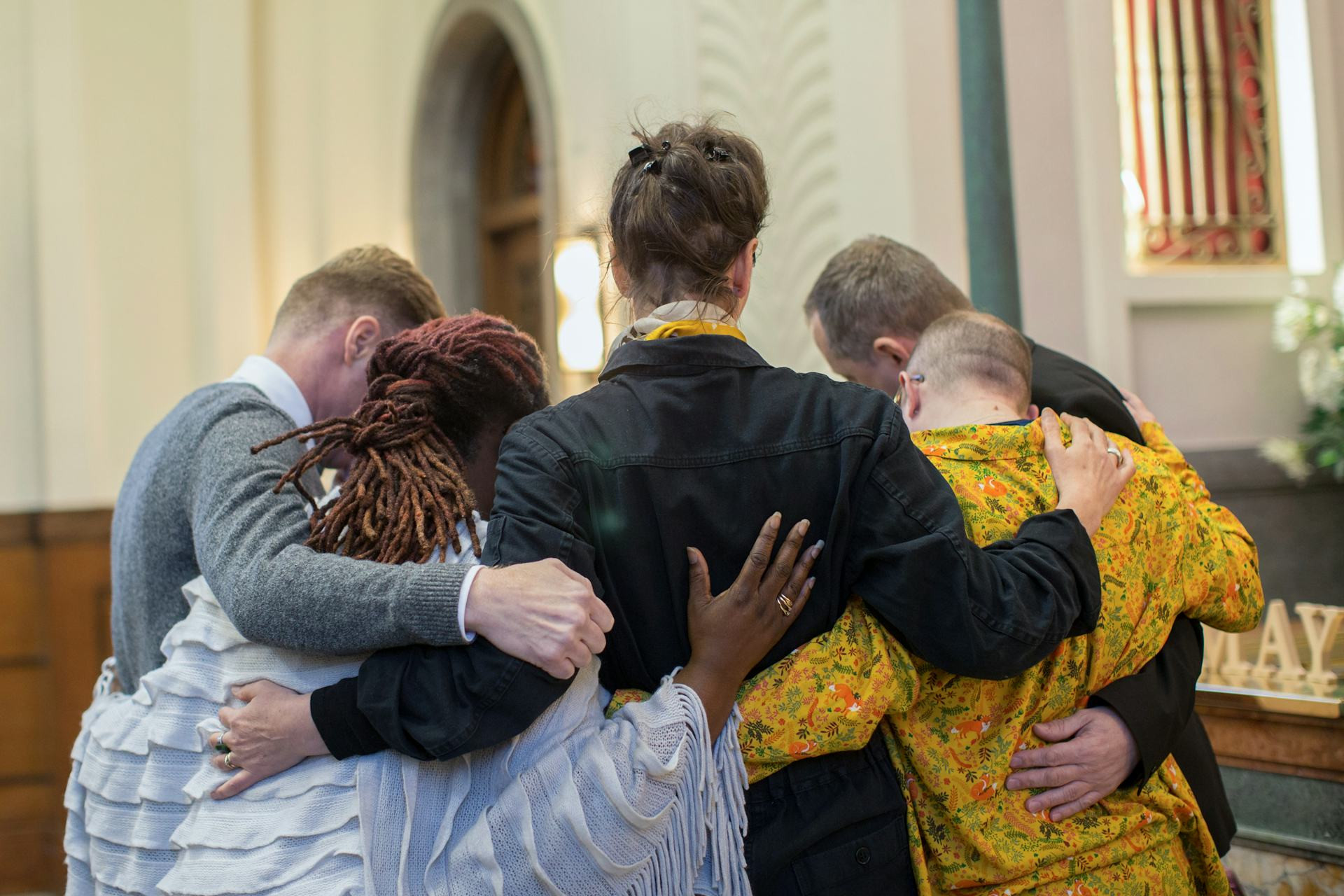
Comfort in Grief: Small Routines That Bring Calm in Difficult Times
When we lose someone we love, life can change in an instant. Time feels suspended, and even the simplest tasks can seem impossible. In the midst of grief, small routines can offer a sense of steadiness—not as a way to avoid pain, but as a way to create calm and structure when everything else feels uncertain. Here are some ways that gentle, everyday habits can bring comfort and support during a time of loss.
When the World Feels Still
Grief looks different for everyone. Some people need to stay busy, while others need quiet and rest. No matter how it shows up, creating a rhythm to your days can help. Routines bring a sense of predictability that can ease feelings of emptiness and disorientation.
It’s not about returning to “normal”—because normal has changed—but about finding small anchors that help you move through each day. That might mean waking up at the same time, eating regular meals, or stepping outside for a short walk.
Small Routines That Make a Difference
Even the smallest actions can have meaning when you’re grieving. Here are a few simple routines that can bring calm and structure:
- Morning rituals – Begin the day with something familiar: a cup of coffee, lighting a candle, or a few quiet minutes of reflection. These moments can help you feel grounded.
- Daily walks – Gentle movement supports both body and mind. A short walk around the block or in a nearby park can offer fresh air and space for your thoughts.
- Regular meals – Try to eat at consistent times, even if your appetite is low. Nourishing your body is a form of self-care.
- Writing or talking – Some people find comfort in journaling, while others prefer to talk with a friend, counselor, or support group. Putting feelings into words can lighten the emotional load.
- Evening routines – End the day with calm. Turn off screens, dim the lights, or listen to soothing music. A peaceful bedtime ritual can help your body rest.
These routines aren’t meant to be obligations, but gentle supports—small acts that bring a sense of care and continuity.
Læs også:



Finding Comfort in the Familiar
When everything feels uncertain, familiar habits can be deeply comforting. Many people find solace in continuing small traditions that connect them to the person they’ve lost—making a favorite recipe, visiting a meaningful place, or keeping a shared ritual alive.
These moments can stir sadness, but they can also bring a sense of closeness, as if the memories are woven into daily life. It’s a way to honor your loved one while slowly finding your footing in a changed world.
When Routines Feel Overwhelming
There will be days when even the simplest things feel too hard. That’s okay. Grief moves in waves, and some days call for rest rather than action. Give yourself permission to pause. Routines should be flexible—they’re there to support you, not to add pressure.
If the weight of grief feels too heavy to carry alone, consider reaching out for help. Talking with a therapist, a faith leader, or a grief support group can provide understanding and connection when you need it most.
Finding Meaning in the Everyday
Over time, small routines can become part of a new rhythm of life. They remind you that life continues—not as it was, but in a new form. You may start to notice moments of peace again: a warm cup of tea, a conversation with a friend, a quiet moment outdoors.
Grief doesn’t disappear, but it changes. The small routines you build become stepping stones—guiding you gently toward a life where memories live on, and where calm and comfort slowly return.
Læs også: