How to Choose the Time and Place for a Funeral – With Care for Both the Deceased and the Bereaved

How to Choose the Time and Place for a Funeral – With Care for Both the Deceased and the Bereaved
When someone passes away, families are faced with both grief and a series of practical decisions. One of the most meaningful choices concerns the funeral itself—when and where it should take place. These decisions are not only logistical but also deeply personal, reflecting respect for the deceased and compassion for those left behind. This guide offers thoughtful advice on how to make these choices with care.
Begin with the Wishes of the Deceased
The first step is to determine whether your loved one expressed any preferences about their funeral. Some people leave written instructions, discuss their wishes with family, or include them in an advance directive or will. These wishes might include a preferred location, type of service, or whether they wanted burial or cremation.
If no specific wishes were left, the family can work together to decide what feels most appropriate. Think about what would have suited the person’s beliefs, personality, and connection to certain places. A funeral that reflects who they were can bring comfort and meaning to everyone involved.
Choosing the Right Place – Religious, Secular, or Natural Settings
The location sets the tone for the farewell. In the United States, there are several common options, each with its own traditions and flexibility.
- Religious service: Many families choose to hold the funeral in a church, synagogue, mosque, or other house of worship. This can be especially meaningful if the deceased was an active member of a faith community. Religious leaders can guide you through the ceremony and help incorporate personal touches such as music, readings, or eulogies.
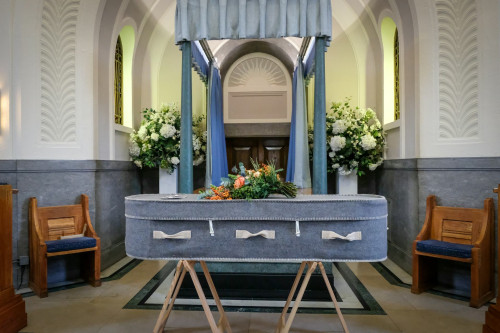
- Funeral home or secular venue: For those who prefer a non-religious service, a funeral home chapel, community center, or even a family home can provide a respectful setting. These ceremonies can be highly personalized, focusing on memories, music, and stories that celebrate the person’s life.
- Outdoor or natural setting: Some families choose a more informal farewell in nature—perhaps in a garden, park, or by the ocean. Green burials and scattering ceremonies are becoming more common, but it’s important to check local and state regulations before making arrangements.
Whatever the setting, the most important thing is that it feels meaningful and appropriate for both the deceased and the mourners. A place with personal significance can help create a sense of peace and connection.
Choosing the Time – Balancing Practical and Emotional Needs
Funerals in the U.S. typically take place within one to two weeks after death, but there is often flexibility depending on family needs, travel, and scheduling. When deciding on the timing, consider the following:
- Travel and accessibility: If relatives or close friends need to travel, choose a date that allows them to arrive without undue stress.
- Day and time: Many services are held on weekday mornings or afternoons, but weekend ceremonies are also possible, especially if that helps more people attend.
- Preparation time: Allow enough time to plan the service, select readings or music, and prepare any personal tributes. Taking time to plan thoughtfully can make the day itself more peaceful and meaningful.
The goal is to find a time that allows loved ones to be present—both physically and emotionally—so they can fully participate in saying goodbye.
Working with Funeral Professionals and Clergy
A licensed funeral director can be an invaluable resource in coordinating the details of time and place. They can help with scheduling, transportation, permits, and communication with cemeteries or crematories.
If the service is religious, reach out to the clergy early in the process. They can help you choose a date, explain the order of service, and offer spiritual support.
For secular ceremonies, a celebrant or family member can lead the service. Funeral directors can often recommend experienced officiants who can help create a ceremony that feels personal and respectful.
Considering the Needs of the Bereaved
While the funeral honors the deceased, it also plays a vital role in the healing process for those who grieve. When choosing time and place, think about what will best support the family and friends who attend:
- Are there elderly relatives who need easy access or minimal travel?
- Will children be present, and how can they be included in a comforting way?
- Is there a suitable space for a gathering afterward, such as a reception or meal, where people can share memories and support one another?
Small acts of consideration can make a big difference in how the day is experienced and remembered.
Læs også:


A Farewell That Feels Right
There is no single “right” way to hold a funeral. What matters most is that the farewell feels genuine and respectful. When time and place are chosen with care, the ceremony becomes a space where love, memory, and grief can coexist.
Taking the time to reflect on these choices—and to talk openly with family—can be part of the healing itself. A thoughtfully planned farewell becomes not just a goodbye, but a lasting tribute to a life well lived.
Læs også: