Finding Balance Again: Paths to Inner Peace After a Loss

Finding Balance Again: Paths to Inner Peace After a Loss
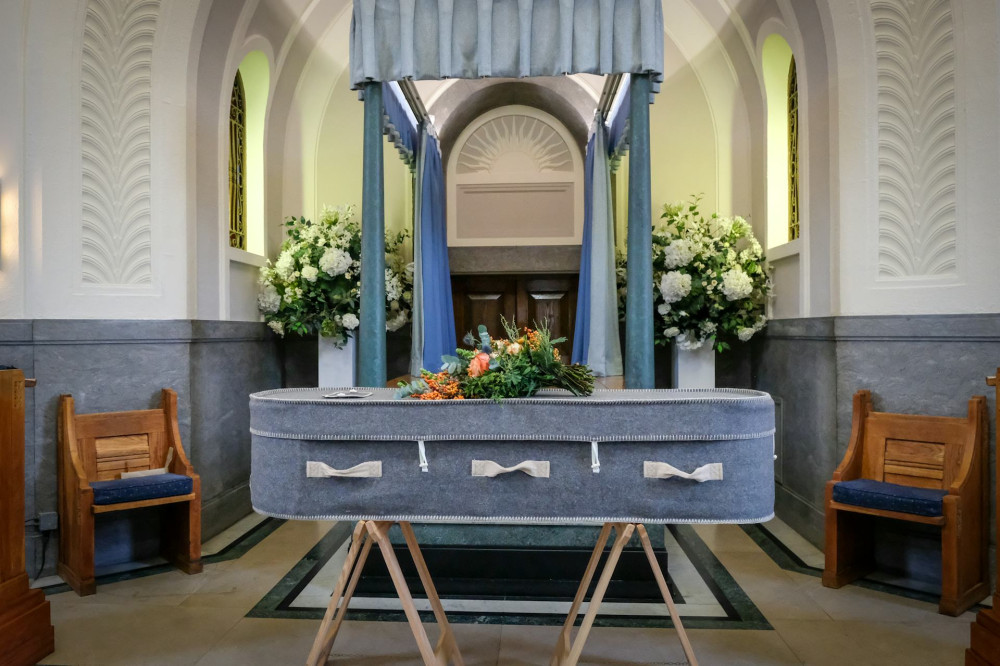
When someone we love dies, the world can feel like it’s been turned upside down. Everyday life loses its rhythm, and even simple tasks can seem impossible. Grief is a natural response to loss, but it can also be confusing and unpredictable. Finding balance again isn’t about “moving on” in the traditional sense—it’s about learning, little by little, to live with what has happened and to find peace in a new reality.
Here are some ways to support yourself through the process and make space for both grief and life.
Give Grief Time and Space
Grief doesn’t follow a schedule. For some, tears come right away; for others, they arrive weeks or months later. Some people feel deep sadness, while others experience anger, guilt, or numbness. All of these reactions are normal.
The most important thing is to allow your grief to exist. Don’t pressure yourself to “be strong” or to function as you did before. Let yourself feel what you feel—even when it’s messy or unpredictable.
Many people find comfort in small rituals: lighting a candle, writing in a journal, visiting a meaningful place, or listening to calming music. These acts can honor the person you’ve lost while bringing a sense of structure to a time that feels chaotic.
Læs også:

Find Strength in Connection
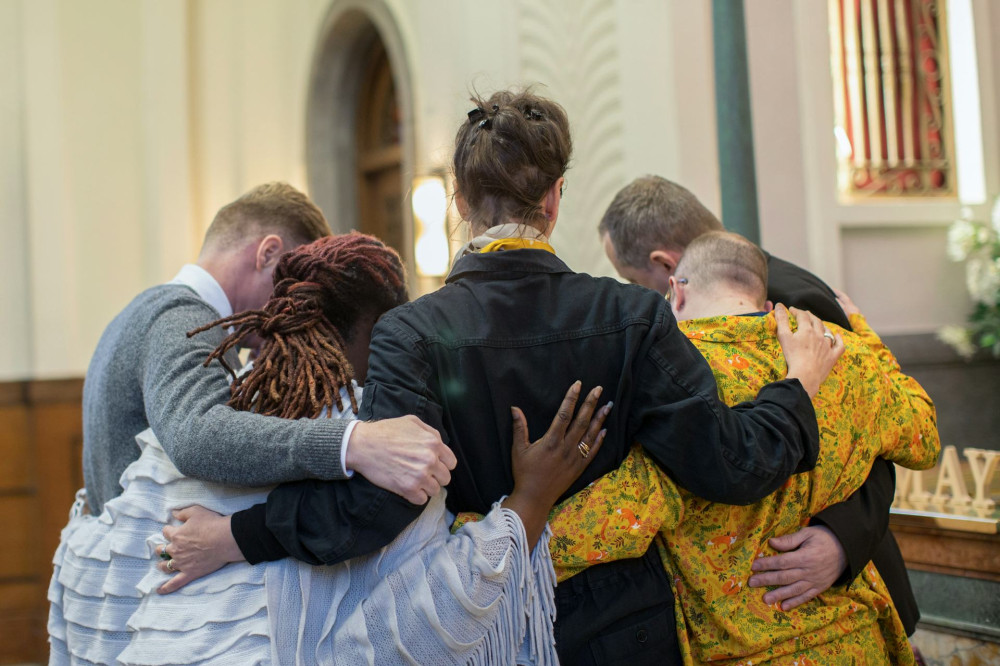
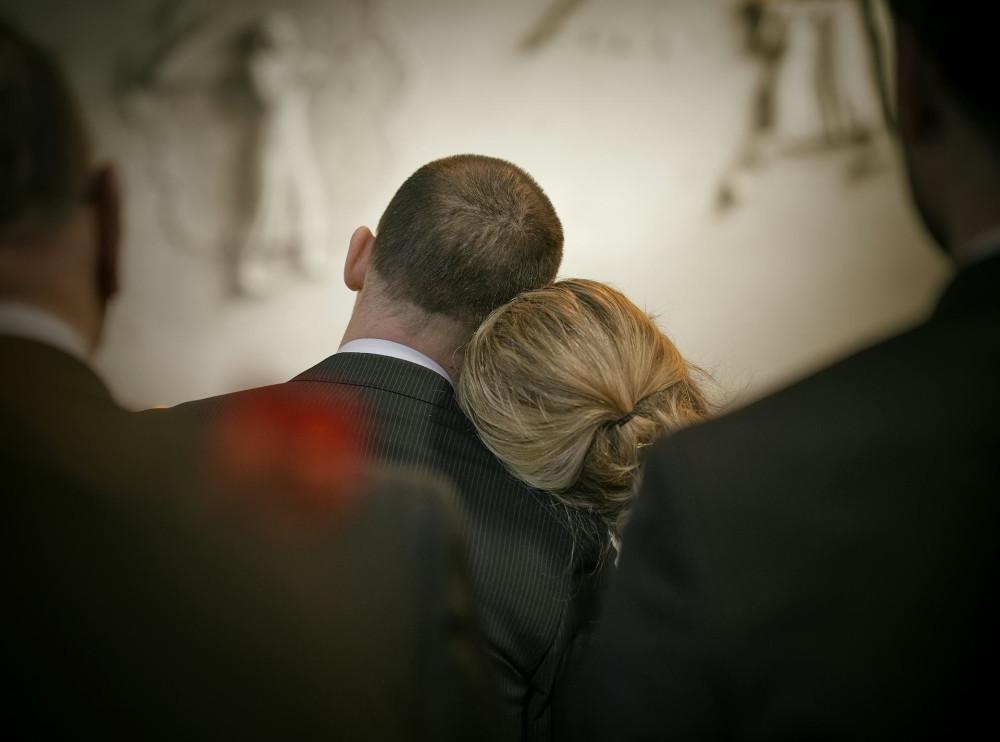
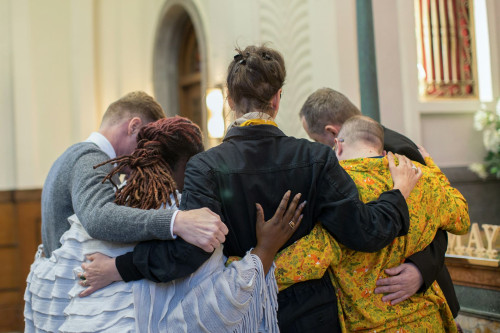
Even though grief can feel isolating, it’s important not to go through it alone. Talking with others can ease the weight and bring perspective.
- Reach out to family and friends, even if you don’t always feel like it. Most people want to help but may not know how.
- Seek professional support if the grief feels too heavy. A therapist, counselor, or grief support group can offer a safe space to share your thoughts and emotions.
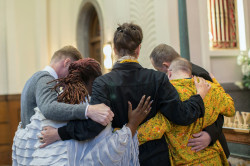
- Join community groups or faith-based gatherings where others have experienced loss. It can be a relief to meet people who understand without needing long explanations.
Reaching out isn’t a sign of weakness—it’s an act of self-care.
Create Calm in Daily Life
When life feels uncertain, small routines can help restore a sense of stability. They remind your body and mind that there is still order in the world.
Try to keep a few simple habits: wake up at the same time each day, eat regular meals, and spend time outdoors. It may sound basic, but caring for your body supports your emotional healing.
At the same time, give yourself permission to rest. Grief takes energy, and you may not have the same stamina as before. Allow yourself to slow down, say no when you need to, and move at your own pace.
Keeping the Memory Alive
Finding balance again doesn’t mean forgetting. In fact, peace often comes from finding ways to keep the memory of your loved one present in your life.
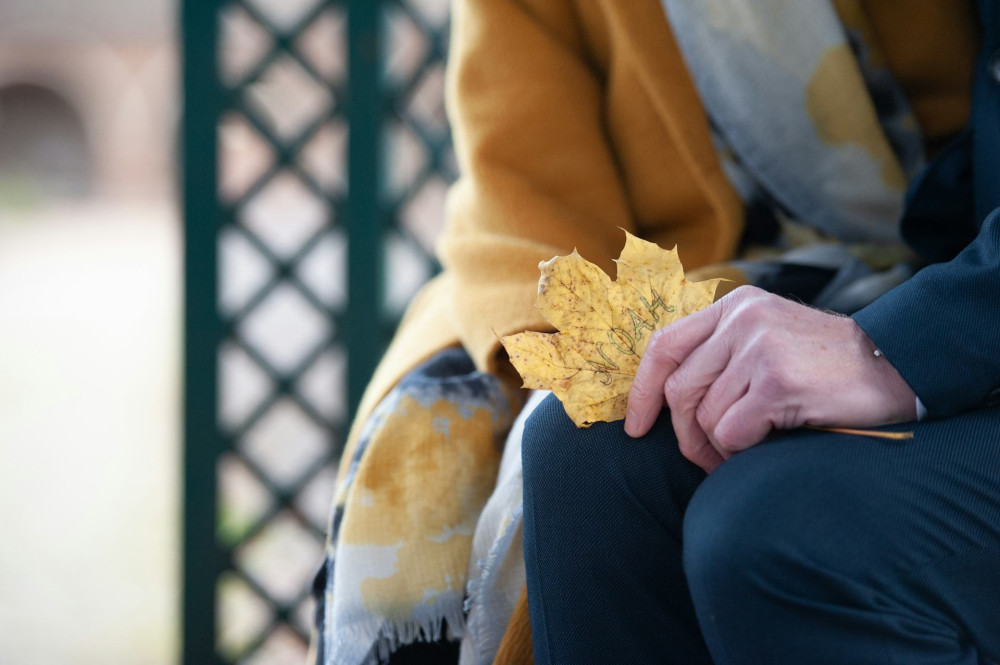
You might create a photo album, write letters, keep a special object, or continue a tradition that mattered to them. Some people plant a tree, volunteer in their loved one’s honor, or gather family each year to share stories.
When you make space for remembrance, the memory becomes a gentle part of your life—not as pain, but as quiet presence and comfort.
When Life Begins to Return
Over time, you may notice moments of joy, laughter, or connection returning. This can bring guilt—as if feeling good means you’re betraying the person you lost. But joy and sorrow can coexist.
Finding balance means allowing both. The grief doesn’t disappear, but it changes shape. It becomes part of your story—something you carry with tenderness rather than pain.
Take small steps toward what brings meaning: a new project, a trip, or time with people who lift you up. Life continues, and you are allowed to be part of it.
Finding Peace in Imperfection
There is no “right” way to grieve. Every story is unique, and the path to inner peace looks different for everyone. The key is to be patient with yourself and to remember that healing doesn’t mean the pain is gone—it means you’ve learned to live with it more gently.
Finding balance again after a loss is a quiet process. It begins with accepting that life will never be exactly the same—but that it can still hold love, meaning, and hope.
Læs også: