Community Around the Table – The Meal as the Center of Connection

Community Around the Table – The Meal as the Center of Connection
In a world where schedules, screens, and constant notifications often dictate our days, the shared meal can be one of the few moments when we truly slow down and connect. The table becomes more than a place to eat—it becomes a gathering point, a space for conversation, laughter, and belonging. But how can we use the meal as a way to strengthen our relationships and build community in our everyday lives?
The Meal as More Than Food
A meal is rarely just about what’s on the plate. It’s about rhythm, ritual, and relationship. When we sit down together, we enter a shared space where time and attention are exchanged. Studies have shown that families who eat together regularly tend to have stronger bonds, better communication, and even improved well-being among children and teens.
It’s not the menu that matters most, but the act itself—sitting together, listening, talking, and being present. A simple weeknight dinner can become an anchor in the day, a moment when everyone can pause, reconnect, and feel seen.
The Everyday Meal as an Anchor
For many American families, dinner is the time when the day comes together. It’s a chance to share stories from work or school, to celebrate small victories, or to talk through challenges. Yet creating calm around the table takes intention—especially in a culture where phones, TVs, and busy schedules easily pull us apart.
One way to reclaim the meal is to make it a ritual. Light a candle, put away devices, and give everyone a chance to speak. These small gestures signal that the meal is something special—a pause in the rush of daily life where connection takes priority.
Together in the Kitchen
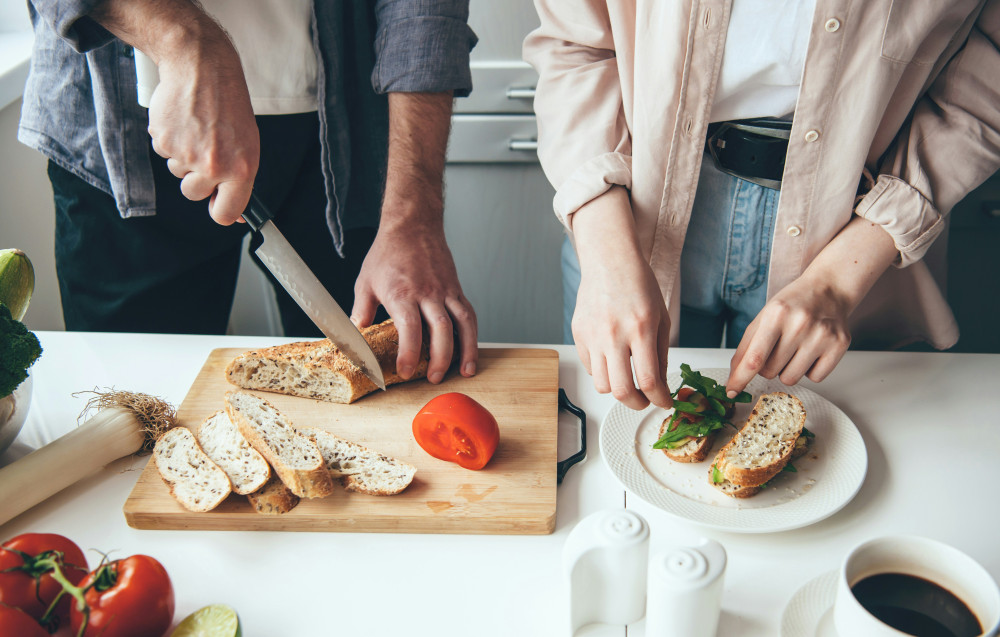
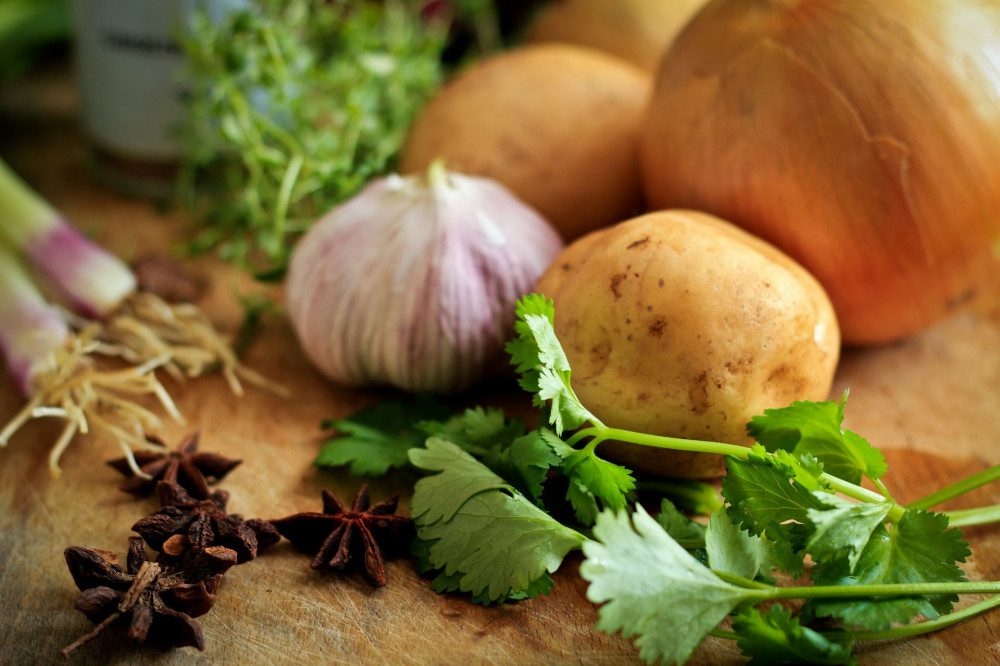
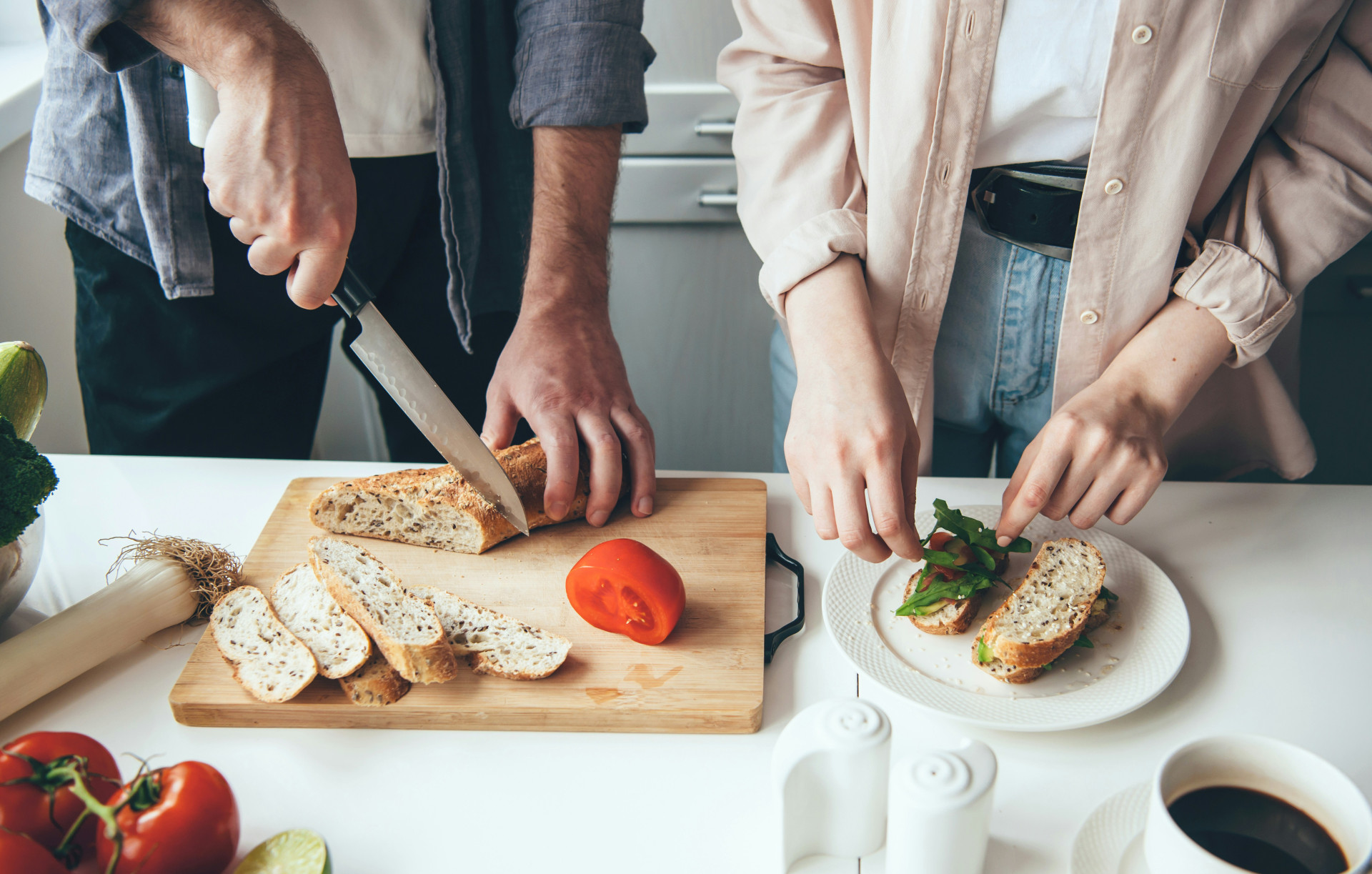
Community around the table often begins before anyone sits down. When family members or friends cook together, the meal becomes a shared project rather than a task. Chopping vegetables, setting the table, or choosing music for the background—these small acts create a sense of ownership and togetherness.
For children, helping in the kitchen can teach responsibility and cooperation. For adults, it’s a chance to share skills, stories, and memories. Cooking together can also level the playing field—everyone contributes, and everyone belongs.
Traditions and New Gatherings
Meals have always been central to American social life—from Sunday dinners and Thanksgiving feasts to backyard barbecues and potlucks. These traditions remind us that food is a language of care and connection. But new forms of gathering are also emerging: neighborhood block parties, community gardens, and shared meals at local churches or co-ops.
These modern meal communities show that food can bridge divides. When we share a table, we also share stories, values, and perspectives. It’s a way to build understanding and empathy across generations, backgrounds, and experiences.
Presence as the Key Ingredient
The perfect meal isn’t about recipes or presentation—it’s about presence. Being truly there. Listening, asking, and engaging without distraction. When we give the meal our full attention, it becomes a space for genuine connection.
Let the meal take the time it needs. When we don’t rush, conversations unfold naturally, and relationships deepen. That’s when the meal becomes more than nourishment—it becomes a shared breath in the middle of a busy life.
Læs også:


A Table That Brings Us Together
Whether it’s a quick weekday dinner or a festive holiday spread, the table can be a symbol of community. It’s where we meet as people, not as roles or responsibilities. It’s where we share both food and life, and where we find our way back to one another when the world pulls us in different directions.
Building community around the table doesn’t require grand gestures—just small, intentional choices: to make time, to be present, and to let the meal become a center of connection. Because in the end, it’s not the food that fills us most—it’s the togetherness.
Læs også: