Eat with the Seasons – Let Nature Inspire Your Family’s Meals

Eat with the Seasons – Let Nature Inspire Your Family’s Meals
Eating with the seasons is about more than choosing fresh produce. It’s a way to follow nature’s rhythm – to let the changing seasons inspire your family’s meals, flavors, and traditions. When we eat what’s in season, we enjoy better taste and quality while supporting a more sustainable and varied diet. Here’s how you can let the seasons guide your family’s table all year long.
Spring – Freshness and Renewal on the Plate
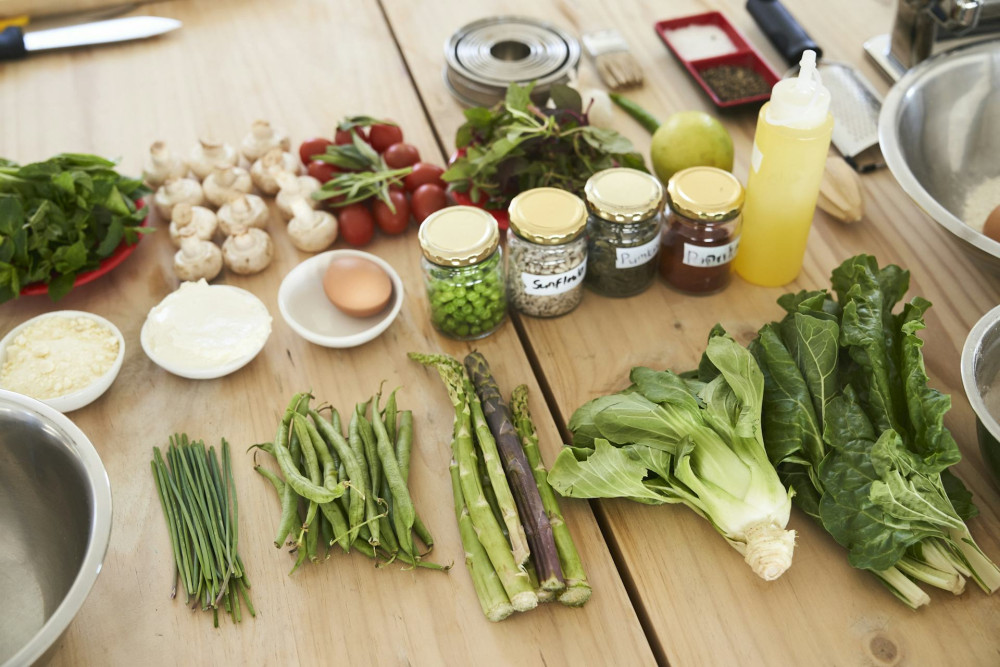
After the hearty meals of winter, our bodies crave lighter, greener foods. Spring brings tender vegetables like asparagus, peas, spinach, and strawberries – ingredients that burst with freshness and energy.
Try a simple spring salad with baby greens, roasted asparagus, and a lemon vinaigrette, or bake a strawberry-rhubarb crisp for dessert. Kids can help plant herbs or pick the first greens from the garden or a local farmers market. It’s a fun way for them to learn where food comes from and to celebrate the season’s renewal.
Summer – Color, Flavor, and Togetherness
Summer is the peak season for fruits and vegetables. Tomatoes, corn, cucumbers, berries, and peaches taste best when they’re sun-ripened and freshly picked. It’s also the time to take meals outdoors – grilling, picnicking, and sharing simple dishes that highlight the season’s abundance.
Make a colorful salad with grilled corn and tomatoes, or let the kids help make homemade popsicles with fresh berries. Summer meals are about simplicity and connection – enjoying what’s ripe right now, with minimal fuss and maximum flavor.
Fall – Warmth, Comfort, and Depth
As the days grow shorter and cooler, we naturally turn to foods that warm and satisfy. Fall offers a bounty of apples, pumpkins, squash, and root vegetables – perfect for soups, stews, and baked dishes.
Try a creamy butternut squash soup with a hint of ginger, or bake apples with cinnamon for an easy dessert. Fall is also a great time to involve kids in cooking – they can help peel, stir, and taste. Preparing meals together brings a sense of coziness and family connection to the season.
Winter – Simplicity and Mindfulness
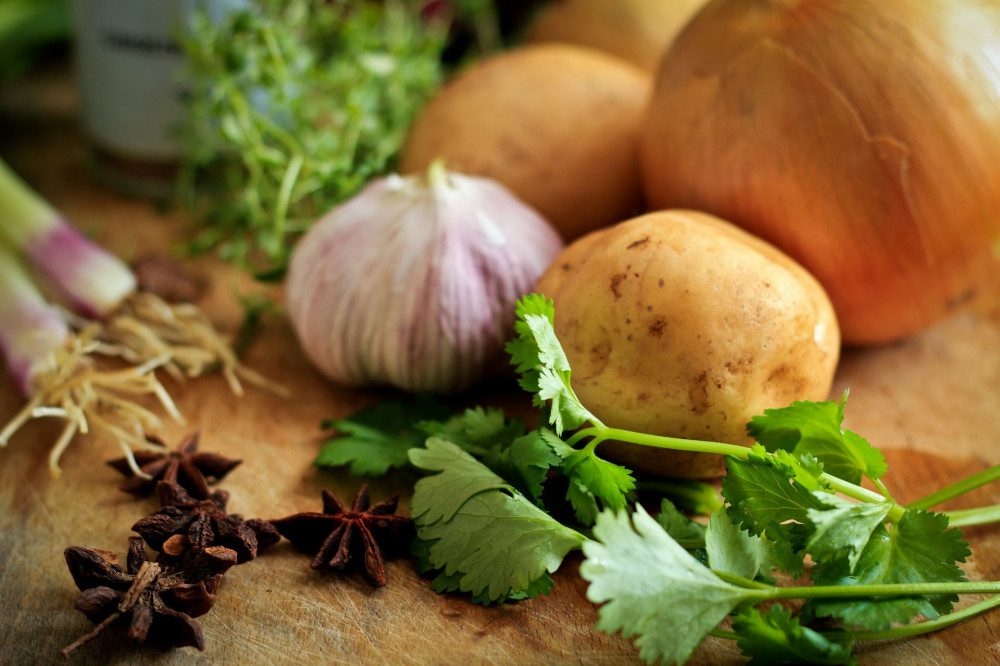
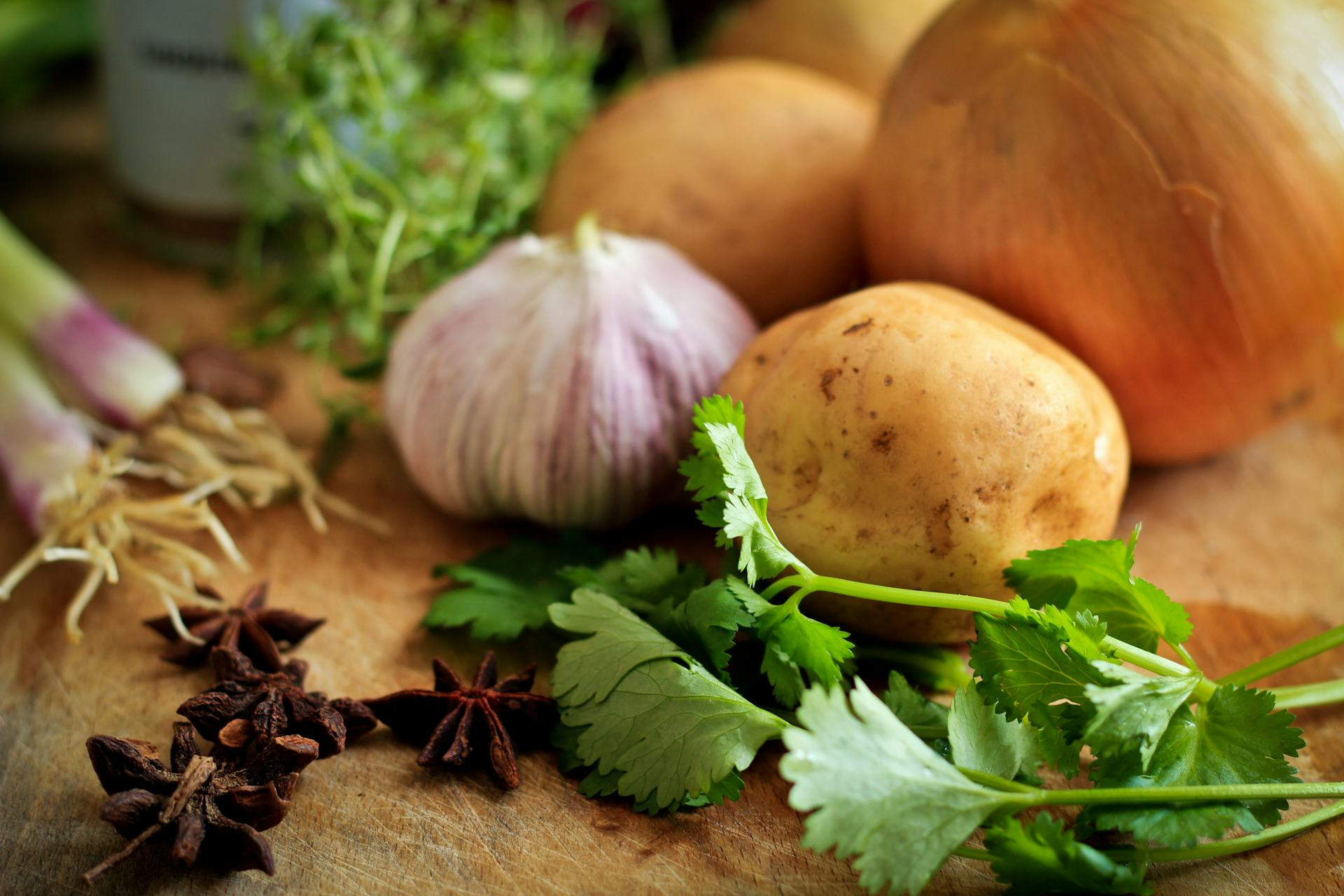
Winter’s produce may be more limited, but that doesn’t mean meals have to be dull. Cabbage, potatoes, carrots, and onions can form the base of many delicious dishes. Combine them with beans, lentils, and warming spices for hearty, nourishing meals.
Roasted root vegetables with thyme and honey make a simple yet satisfying side dish. Winter is also the time to use what you’ve preserved – frozen berries, canned tomatoes, or homemade jams bring a taste of summer to the colder months.
Læs også:



Make the Seasons Part of Your Family’s Traditions
Eating with the seasons can become a natural part of family life. Create small rituals that follow the year’s rhythm – a spring picnic, a summer berry-picking day, a fall soup night, or a winter evening making jam together.
It doesn’t have to be perfect or time-consuming. What matters most is building awareness of where food comes from and appreciating the small changes nature brings. When children look forward to the first sweet corn of summer or the crisp apples of fall, they develop a natural respect for food’s cycle.
A Healthier and More Sustainable Everyday Life
Eating seasonally isn’t just good for flavor – it’s good for the planet. Seasonal foods require less transportation and energy, and they’re often fresher and more affordable. Your family also benefits from a varied diet throughout the year, supporting both health and well-being.
By letting nature set the pace for your family’s meals, you create a lifestyle where food becomes more than fuel – it becomes a way to connect, celebrate, and live in harmony with the world around you.
Læs også: