Plant-Based Eating: A Simple Way to Add More Variety to Your Diet

Plant-Based Eating: A Simple Way to Add More Variety to Your Diet
More Americans are discovering the benefits of plant-based eating—not just for the planet, but also for the joy of exploring new flavors and ingredients. Eating more plant-based doesn’t have to mean giving up meat entirely. It’s about letting vegetables, beans, grains, and nuts take a bigger role on your plate. This simple shift can bring more variety, creativity, and balance to your everyday meals.
Flavor and Health Go Hand in Hand
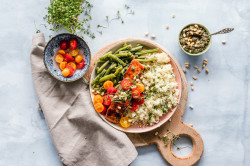
Plant-based foods are naturally rich in fiber, vitamins, and minerals, while being lower in saturated fat than many animal products. When you fill your plate with vegetables, lentils, beans, and whole grains, you’re supporting your body with foods that are both satisfying and nourishing.
But it’s not just about nutrition. Many people find that experimenting with plant-based dishes opens the door to exciting new flavors. A hearty lentil chili, roasted vegetable tacos, or a creamy pasta made with cashew sauce can be just as comforting and delicious as your usual favorites.
Start with Small Steps
Changing your eating habits can feel overwhelming, but small adjustments can make a big difference. You don’t need to overhaul your entire diet overnight. Try starting with a few simple ideas:
- Add a meatless day each week, like “Meatless Monday.”
- Swap half the meat in dishes like chili or spaghetti sauce for beans or lentils.
- Try new protein sources such as tofu, tempeh, or edamame.
- Make vegetables the star—think stuffed peppers, roasted cauliflower steaks, or veggie stir-fries.
Taking it one step at a time helps you discover what you enjoy most and makes the change feel natural.
Make It Easy for Everyday Life
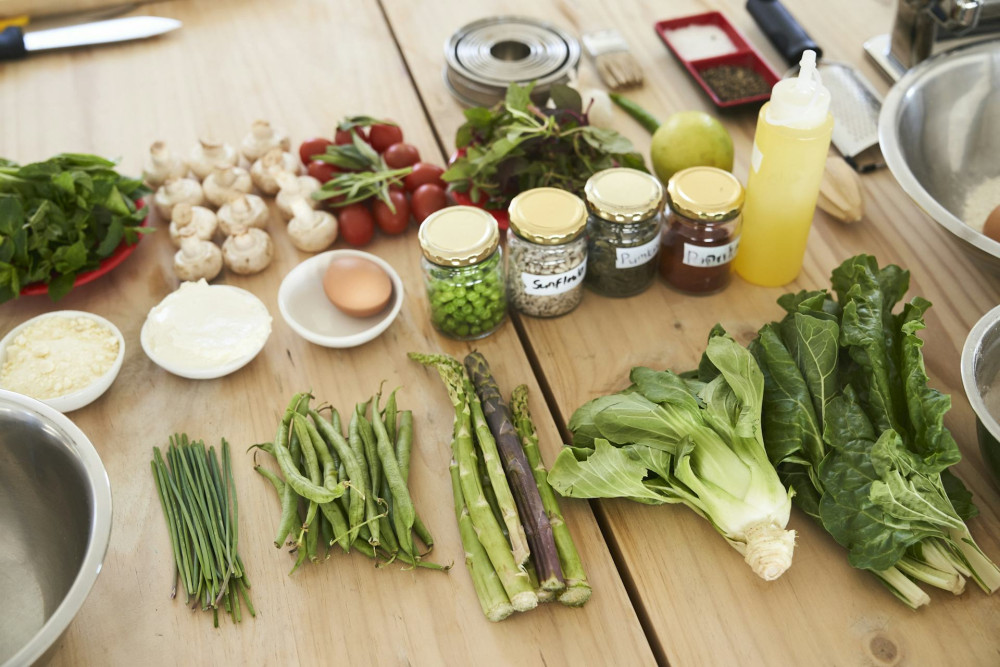
One of the biggest challenges with eating more plant-based meals is planning ahead. Keeping a few pantry staples on hand can make it much easier to prepare quick, healthy meals:
- Canned or dried beans and lentils – perfect for soups, salads, and wraps.
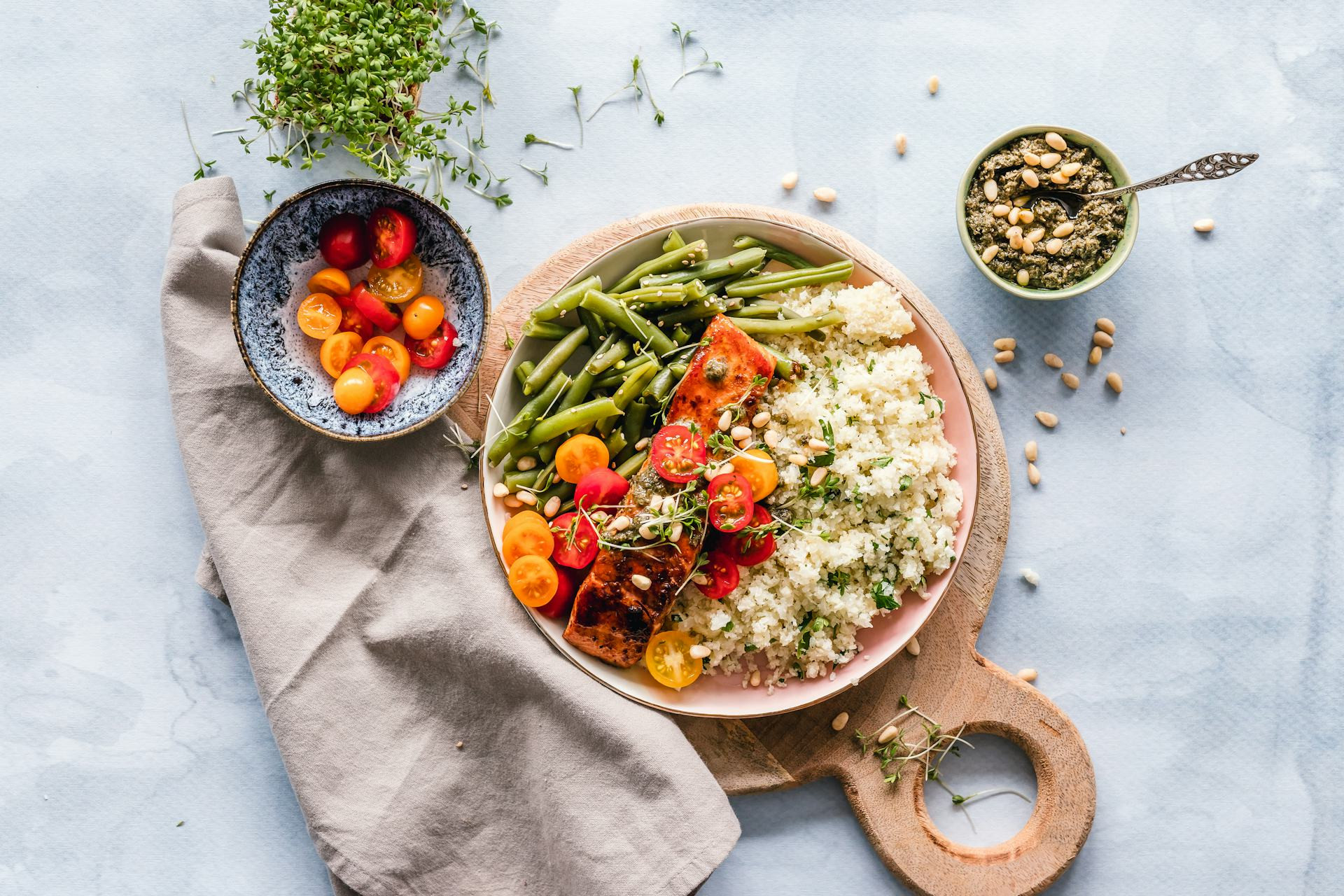
- Whole grains like quinoa, brown rice, or farro – filling and easy to cook.
- Frozen vegetables – convenient, nutritious, and ready to use anytime.
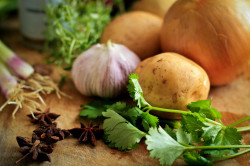
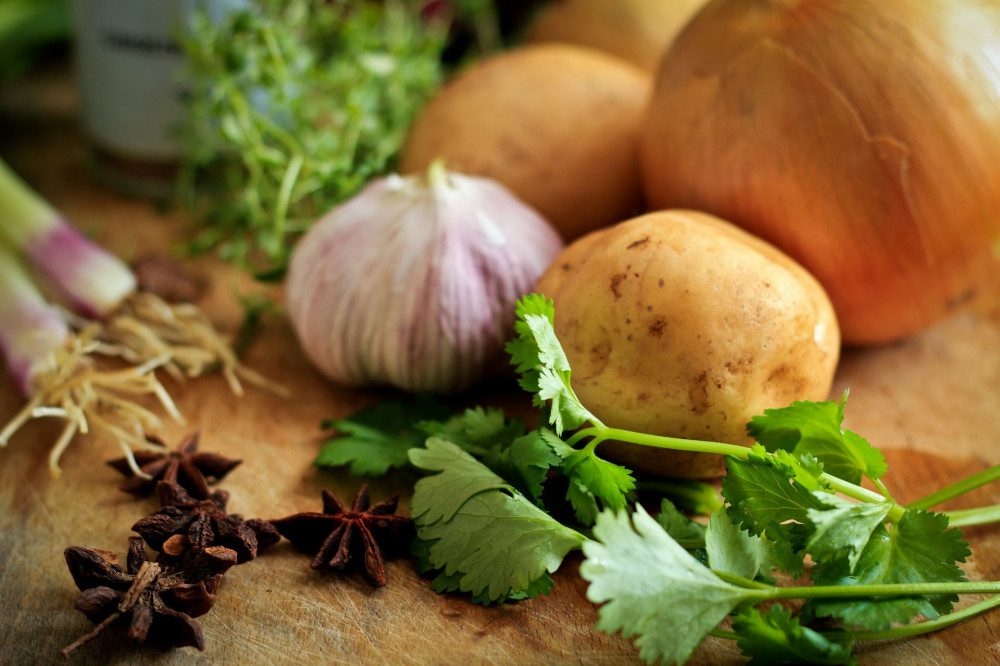
- Herbs and spices – essential for adding flavor and variety.
When your kitchen is stocked with these basics, it’s easier to choose plant-based options even on busy days.
Plant-Based Meals for the Whole Family
If you have kids, you might face some resistance to new foods. Involving them in the cooking process can make a big difference. Let them pick out vegetables at the store, help stir the pot, or taste-test new ingredients. When children feel included, they’re often more open to trying something new.
You can also start with familiar dishes and give them a plant-based twist. Try veggie pizza, bean tacos, or spaghetti with lentil “meat” sauce. These meals feel familiar but still introduce new flavors and textures.
Good for You and the Planet
Eating more plant-based foods isn’t just good for your health—it’s also a way to care for the environment. Producing vegetables, grains, and legumes generally uses fewer natural resources than raising livestock. Even small changes, like choosing a plant-based meal a few times a week, can contribute to a more sustainable lifestyle.
Most importantly, plant-based eating should be enjoyable. When you find dishes you love, it becomes easy to make plants a bigger part of your diet—without feeling like you’re missing out.
Læs også:



A Fresh Way to Think About Food
At its core, plant-based eating is about expanding your horizons. It’s an opportunity to discover new ingredients, flavors, and cooking styles—and to make everyday meals more exciting. Whether you decide to go fully plant-based or simply want to add more vegetables to your plate, it’s a simple and rewarding way to bring more variety into your diet.
Læs også: